Step 1: Anchor a focal point. Start by identifying one clear anchor — a fireplace, window wall, or media unit — and orient all seating toward it. This single decision makes the room feel intentional rather than assembled at random.

Step 2: Map your walking lanes. Before moving any furniture, trace the major paths through the room. Keep primary walkways 30 to 36 inches wide so people can move naturally between doors and the seating area without squeezing.

Step 3: Group seating by conversation distance. Pull sofas and accent chairs close enough to talk comfortably — roughly 6 to 8 feet between facing seats works for most rooms. Place a table within easy reach of every seat so no one has to stretch.

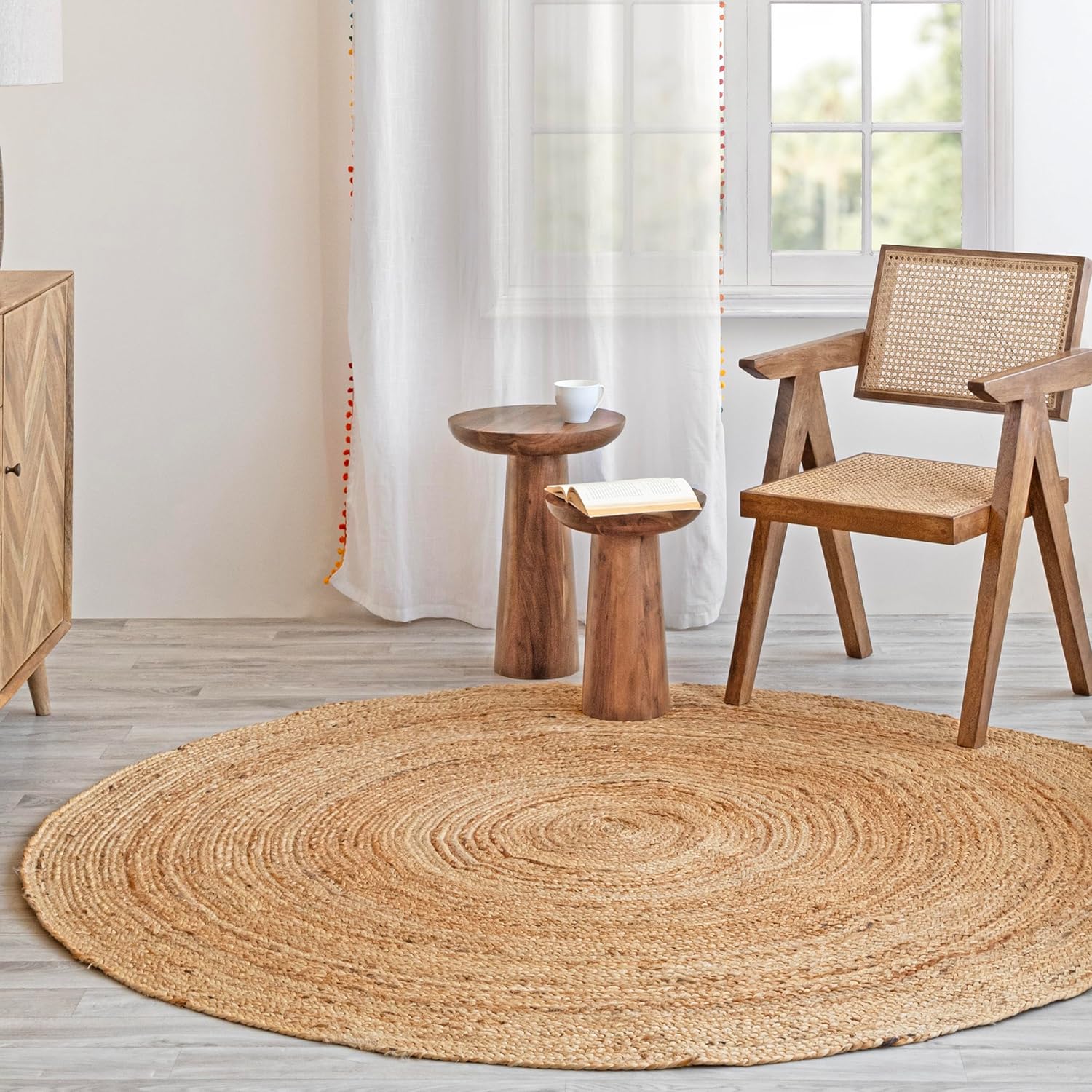
Step 4: Size the rug to hold the arrangement. A rug that is too small floats under the coffee table and makes the room feel disconnected. Aim to get at least the front legs of all main seating pieces onto the rug — or go larger and let the whole arrangement sit on it.

Step 5: Add one flexible piece. Finish with something movable — a pouf, nesting side tables, or a floor lamp on casters. This one adaptable element means you can shift the room for movie nights, gatherings, or just a change of pace without rearranging everything.

Furniture Layout for Living Room: Clearance Rules That Actually Work
Getting the layout right requires knowing the standard clearance benchmarks before you move anything.
Key clearance rules:
- Sofa to coffee table: 14 to 18 inches — close enough to reach, far enough to walk past
- Coffee table to opposite seating or TV wall: 6 to 10 feet depending on screen size
- Between facing seats: 6 to 8 feet for natural conversation; beyond 10 feet and the arrangement feels disconnected
- Primary walkways: 36 inches minimum — tape this out before committing to any layout
- Secondary paths (behind sofas, beside accent chairs): 24 inches is workable for low-traffic routes
- In front of a fireplace: at least 18 inches of clearance from any furniture
Traffic flow in a living room follows the paths people naturally take — from entry to seating, hallway to kitchen, sofa to television. Trace these paths on your floor plan before placing any furniture. Every piece you position should either sit outside those corridors or define their edge without blocking them.
The most common mistake: all furniture pushed against every wall, leaving the room's center as dead walkway space instead of a usable social zone. Pulling seating 12 to 18 inches away from the walls and grouping it around a central coffee table immediately improves how the room reads and feels.
Open Floor Plan Furniture Arrangement
Open floor plans require deliberate zone definition — without walls to anchor each area, furniture must do the structural work.
Define zones with area rugs. Each activity zone gets its own rug: a large rug (8×10 or 9×12) for the seating group, a smaller rug under the dining table. The bare floor between rugs signals the transition between spaces as clearly as a wall would.
Use a sofa back as a room divider. Position the sofa with its back toward the dining or kitchen area to create a visual boundary. A narrow console table behind the sofa reinforces this edge and gives the arrangement a finished look from both sides.
Align furniture across zones. Cohesion in an open plan comes from invisible alignment — the back edge of the sofa roughly aligned with the edge of the dining table, or the far end of one rug aligned with the start of another. These alignment lines give the eye a sense of order across a continuous space.
Repeat one material across zones. A light oak coffee table echoed by a light oak dining bench, or a brass lamp base repeated in dining chair legs — one shared material element creates the thread of continuity that makes an open plan feel designed rather than assembled.
Still selecting what goes in the room? Read How to Choose Furniture for a Room before finalising your layout. And once your pieces are chosen, How to Mix Budget and Premium Decor covers how to blend them across price points.