9 Elevated Home Office Essentials for a Calm, Productive Space
The home office has undergone a quiet but decisive transformation. What was once a utilitarian afterthought — a corner claimed by a folding table and a stack of unopened mail — has become one of the most considered rooms in the house. And rightly so. The spaces where we think, create, and build should reflect the same design intention we bring to every other room. That means layering natural materials that reward the eye, investing in pieces with real weight and presence, and choosing objects that elevate the ritual of daily work rather than just accommodate it. A well-appointed home office is not about spending more — it is about curating with purpose: selecting a desk that anchors the room, a rug that softens the floor underfoot, lighting that shifts the mood from task to reflection. These 9 picks do exactly that. Together, they form a workspace that is calm, considered, and genuinely beautiful to spend time in.
A proper desk makes everything else fall into place. This 63" solid wood executive desk gives you real surface area without the hollow feel of MDF alternatives. The clean lines work across traditional and transitional interiors alike.
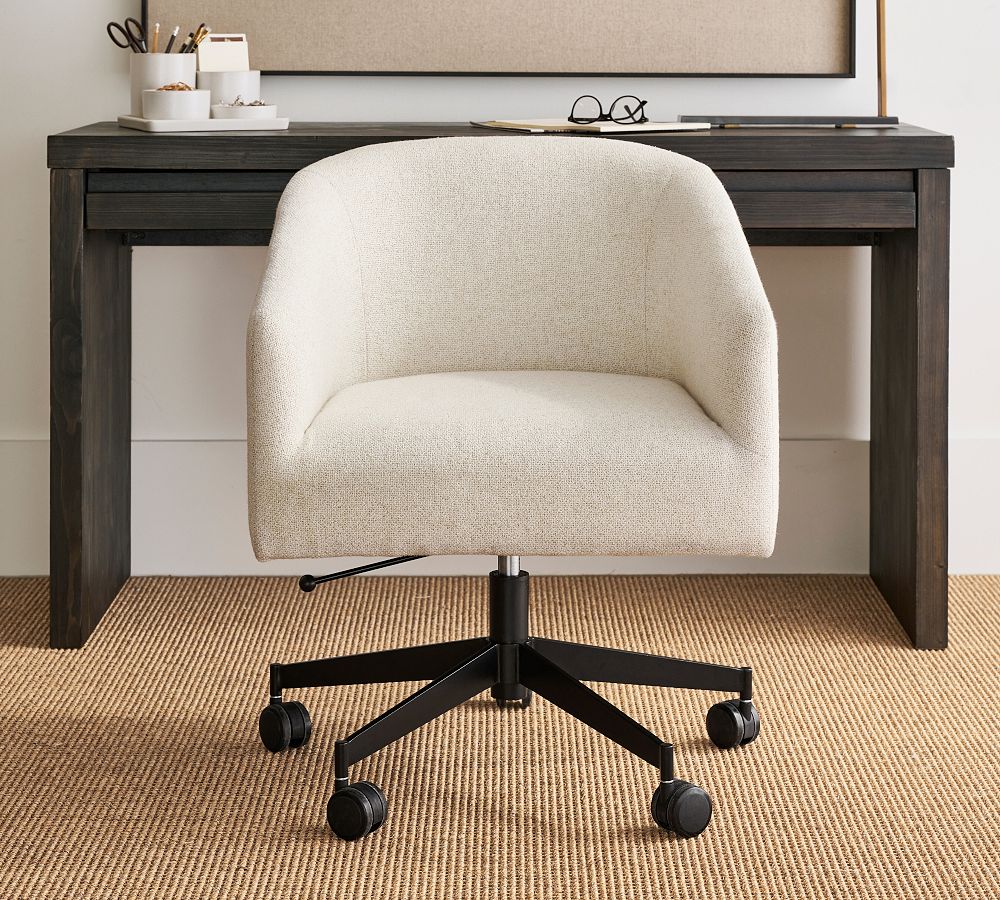
Your chair is your longest relationship in a home office. The Jamie Upholstered Desk Chair brings proper lumbar support wrapped in a tailored silhouette — no bulky mesh, no clinical aesthetic. It looks as polished as it performs.
Storage does not have to be utilitarian. This arched rattan bookshelf set layers texture and warmth while keeping books, binders, and objects organized. The natural material bridges boho and transitional styles effortlessly.
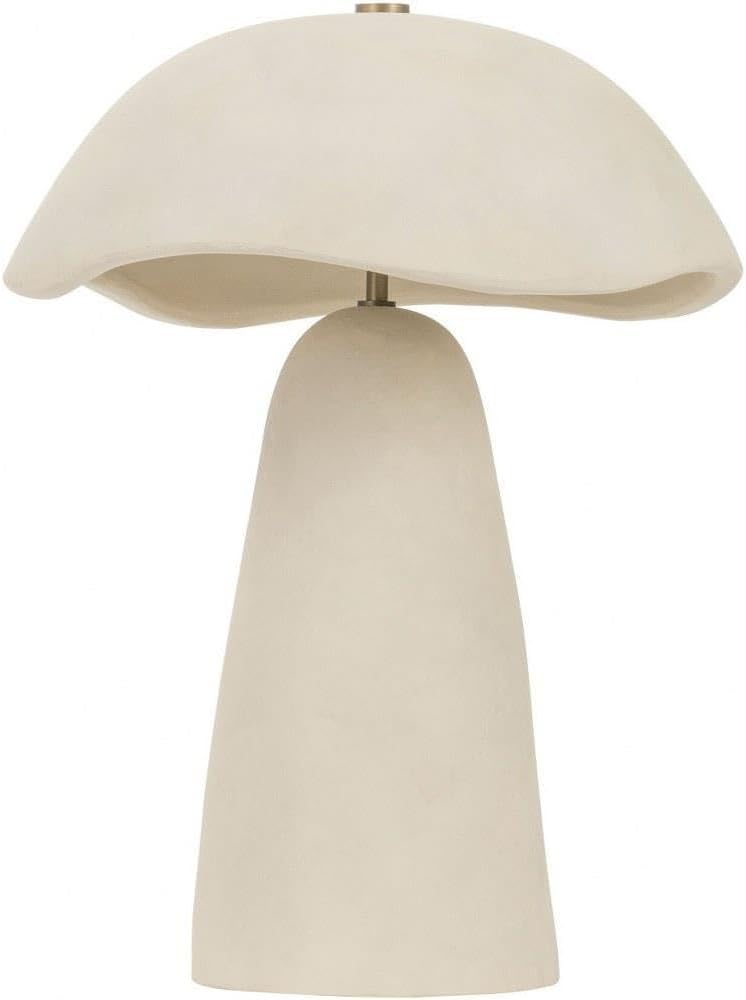
Overhead lighting alone creates a flat, fatiguing workspace. The Soloma table lamp adds warm, directional light exactly where you need it — and the patina brass finish adds a quiet richness to the desk surface.
A statement ceiling fixture reframes the whole room. This cream petal chandelier brings softness and dimension overhead, making the office feel curated rather than leftover. Pairs beautifully with natural wood and warm neutrals.
Desk accessories set the tone for the whole surface. This travertine pen holder is handmade, heavy, and genuinely beautiful — a small object that signals intentionality. Natural stone pairs with wood, linen, and brass without trying.
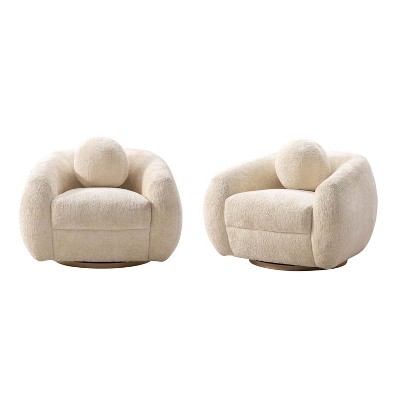
If your office doubles as a reading nook or client-meeting space, a pair of accent chairs earns its footprint immediately. The Tribeca set in cream chenille is plush, structured, and versatile — equally at home in a home office or a sitting room.
A tall floor planter brings life and vertical interest to any corner of the room. The concrete finish is modern and durable — pair it with a fiddle leaf fig, snake plant, or tall grasses for an instant editorial moment.
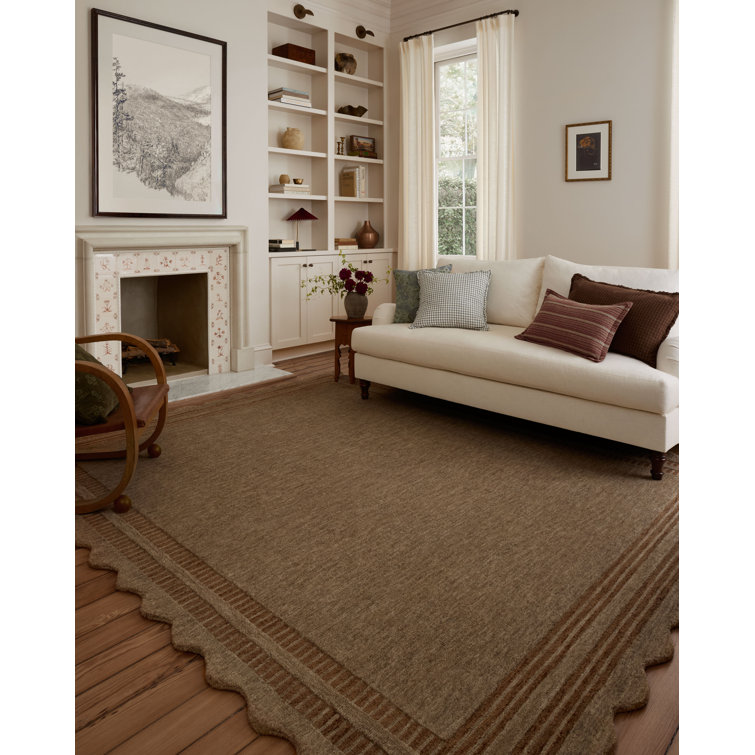
The rug anchors the entire room. The Scottie in Mocha/Clay from the Chris Loves Julia collection for Loloi is warm, textured, and transitional — it layers beautifully under a wood desk and pulls the earthy tones of natural materials together.
A home office built around this list feels less like a converted spare room and more like a space that was always meant to be there. Start with the desk and rug — they do the most work — and layer in the details from there.
Home Office Decor: Design Ideas for Walls, Shelves, and the Desk Surface
The furniture does the structural work — but the decor determines whether a home office feels genuinely considered or merely functional. These ideas target the four areas with the largest visual return: walls, shelving, plants, and the desk surface itself.
Wall Treatment Ideas
Limewash paint: Applied over any smooth wall, limewash creates a cloudy, organic texture that varies subtly with light. Behind a desk, it adds warmth and depth without competing with screens or artwork. It's a DIY-friendly finish that transforms a painted wall into something that reads as designed.
Vertical shiplap or board and batten: Vertical paneling behind the desk adds architectural structure and a clean backdrop for video calls. Paint it the same color as the walls for a seamless tonal effect, or in a warm white as a grounding contrast.
Gallery wall above the desk: Group framed prints, botanical studies, or photographs in the vertical space above the desk. Keeping the frame style consistent — all black, all natural wood — holds the arrangement together even as the content varies.
Floating shelves as a statement wall: A staggered arrangement of floating shelves at different depths creates a built-in look at a fraction of the cost. Style with a mix of books, ceramics, and plants — and leave deliberate gaps so the arrangement breathes.
Shelf Styling for a Home Office
A styled shelf follows the one-third rule: one-third practical (binders, boxes, trays in matching vessels), one-third books, one-third decorative (ceramics, small plants, sculptural objects). Group items in threes and vary the height within each grouping so the eye moves across the shelf rather than landing on a flat line.
Books spine-out read as classic and organized; covers-out add color and graphic interest. A small trailing plant — pothos, heartleaf philodendron, or string of pearls — adds life without needing a pot that competes with books.
Plant Recommendations for a Home Office
Plants reduce visual fatigue, add organic texture no styling exercise can replicate, and photograph well. For an office setting:
- Snake plant: Architectural, near-indestructible, thrives in low light
- Pothos: Trails from shelves without needing much light or watering attention
- ZZ plant: Glossy, sculptural, tolerates irregular watering
- Fiddle leaf fig: The statement plant for bright rooms — large, bold, editorial
One large floor plant reads more powerfully than several small plants scattered across surfaces. Start with one large plant (like a fiddle leaf in a substantial planter), then add a trailing plant on a shelf for secondary green.
Desk Accessory Curation
Approach the desk surface like a still life. Start with one hero object — a standout lamp, a sculptural pen holder, or a beautiful object with no function — and build outward. Group functional items (tray, pen cup, notebook) within arm's reach. Add one organic element (a small plant, a smooth stone, a piece of driftwood) to interrupt the right angles.
The benchmark: desk accessories should occupy no more than one-third of the surface. The remaining two-thirds is working space — and visual breathing room matters as much as functional clearance.
Natural materials layer without conflict: travertine, wood, brass, linen, and concrete each read differently enough that they complement rather than compete. Pick two or three and repeat them across the desk surface and nearby shelf.
For layout ideas specific to a home office that shares space with a bedroom, the bedroom home office ideas guide covers configuration strategies for dual-purpose spaces that work for both sleep and focused work.
Tags: Home Office Essentials, Work From Home Setup, Home Office Decor, Productive Workspace, Elevated Home Office, WFH Setup, Interior Design, Transitional Decor
Planning the layout before you shop? How to Create a Floor Plan for Free walks you through the full process step by step.