Furnishing a new room sounds exciting — and it is — until you realize the sofa is six inches too wide for the doorway, the dining table seats eight but the room only comfortably holds four, and the accent chair you loved online looks completely out of place in person. These are not rare mistakes. They are incredibly common ones.
The good news: they are also entirely avoidable. Choosing furniture well is less about taste and more about process. Follow these steps and you will end up with a room that looks intentional, functions beautifully, and actually fits the space you have.
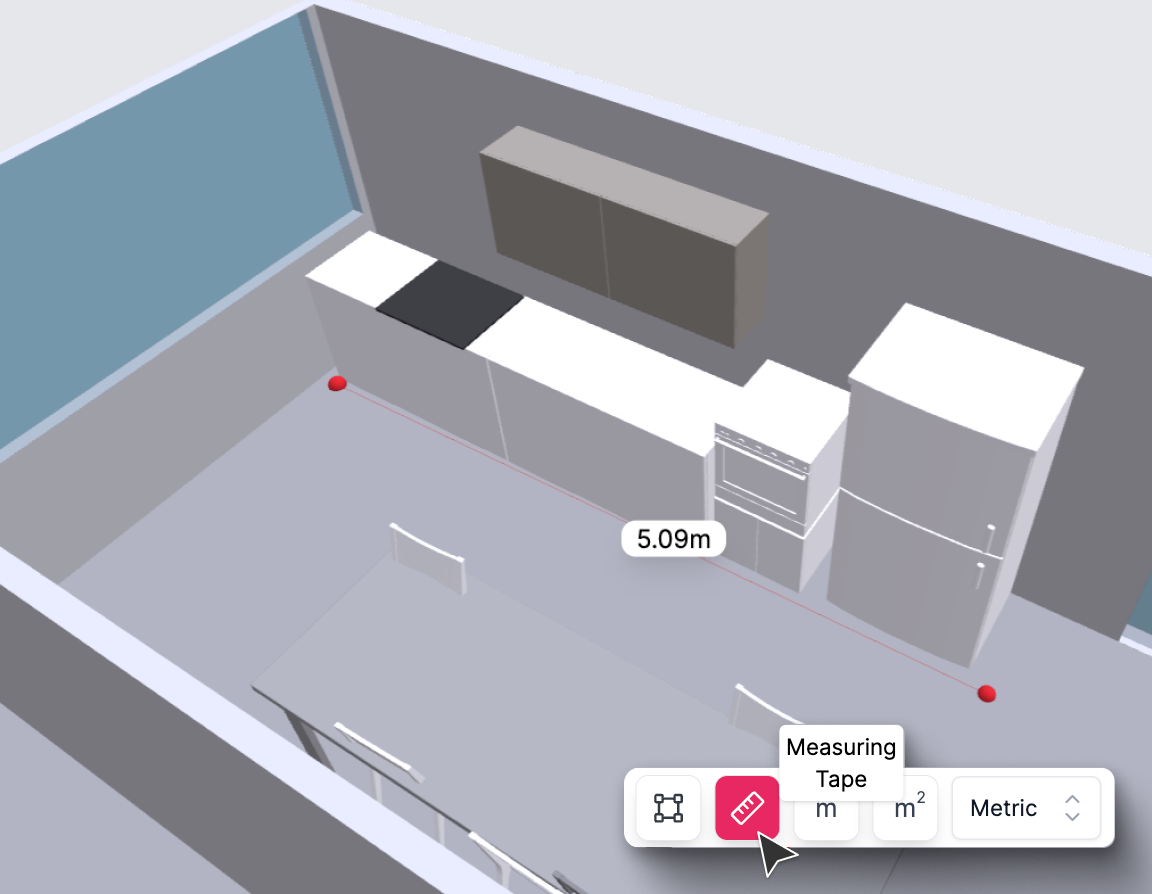
Step 1: Measure Everything — Twice
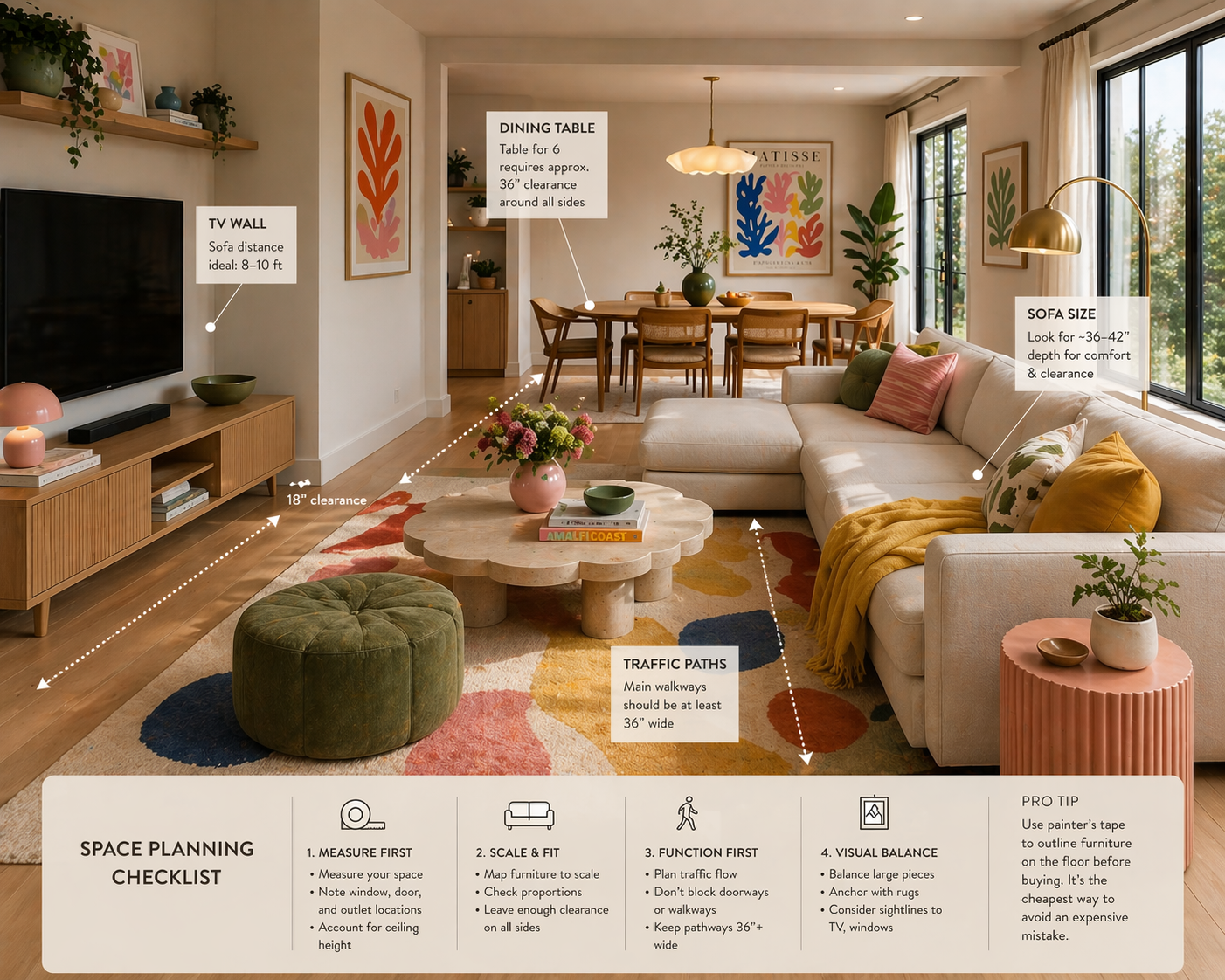
Before you look at a single piece of furniture, grab a tape measure. You need to know:
- The room's full dimensions (length, width, ceiling height)
- The location and width of every door and window
- The placement of outlets, vents, and light switches
- The width of doorways, hallways, and any stairs the furniture needs to pass through
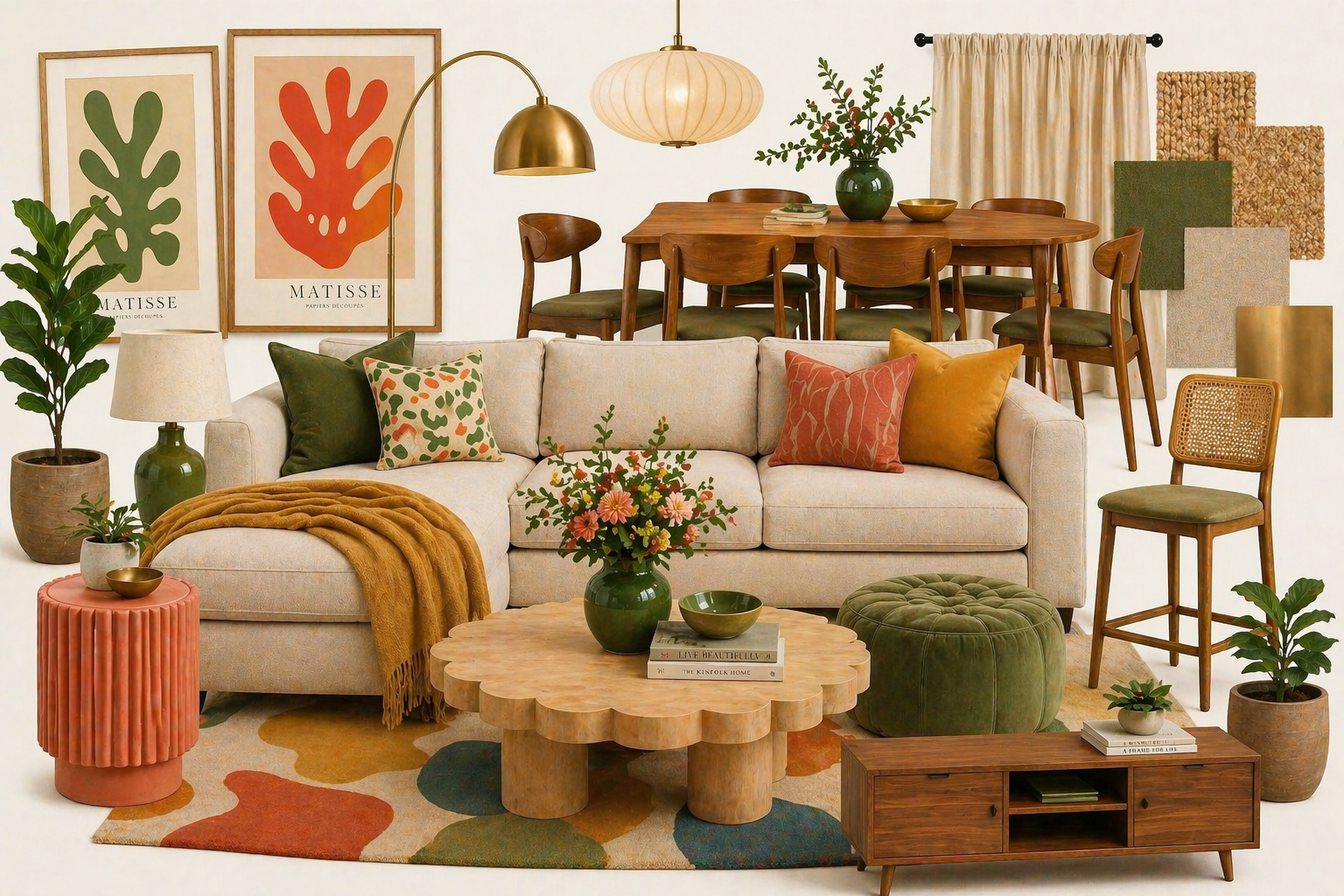
Even a rough sketch with measurements is enough to catch sizing errors before they happen. For a more reliable starting point, athomeplans.com offers predesigned mood boards with curated shopping lists — so you can see exactly what pieces, styles, and combinations work together before you buy a thing.
Write measurements down. Refer to them constantly. Every buying decision you make for this room should be filtered through those numbers.
Step 2: Define How the Room Will Actually Be Used
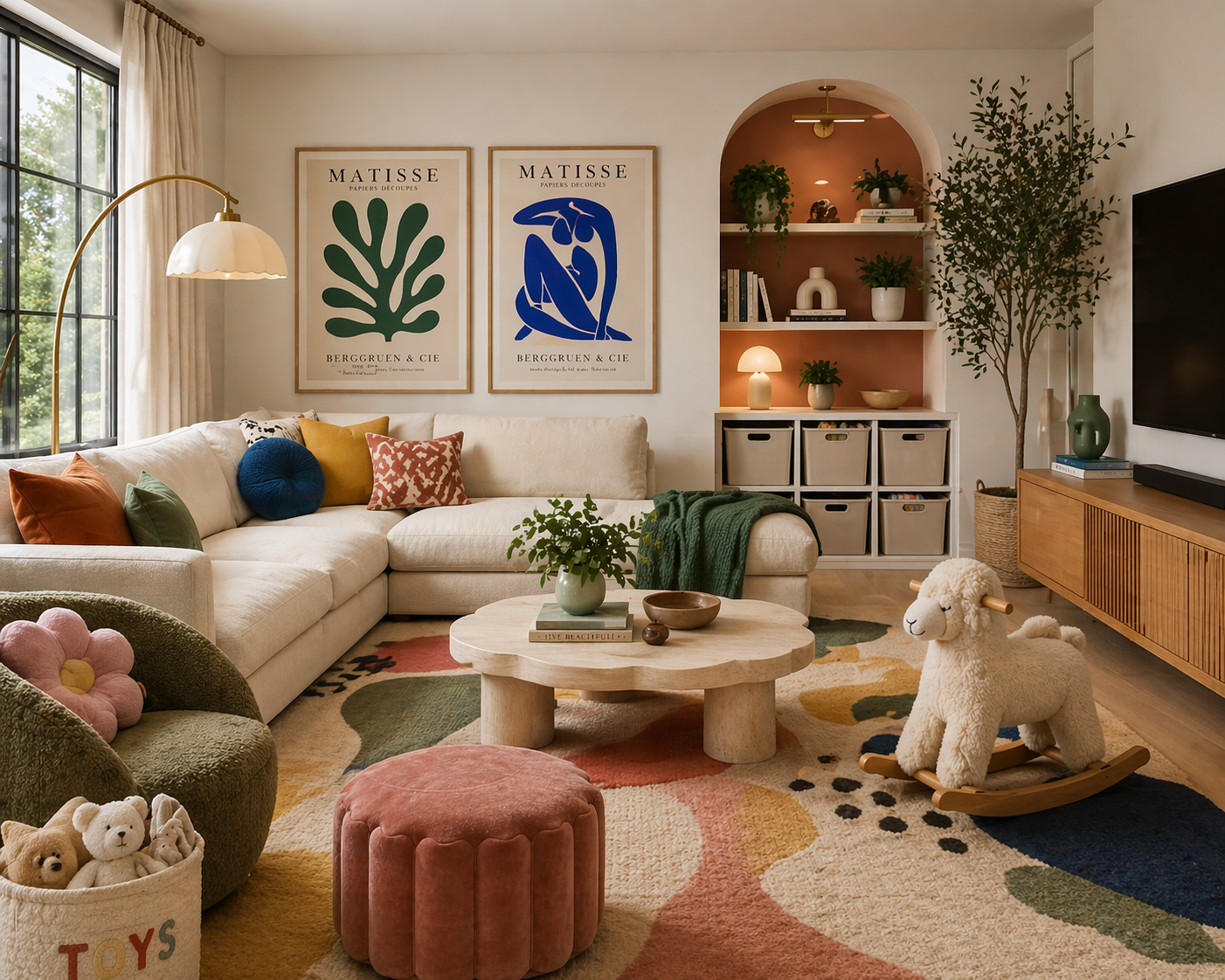
A living room for a couple who hosts dinner parties every weekend needs different furniture than a living room for a single person who reads and watches movies. A guest bedroom that doubles as a home office has different requirements than a primary bedroom.
Ask yourself:
- How many people will regularly use this space?
- What activities will happen here?
- Does it need to serve multiple functions?
- What time of day will it be used most?
The answers shape every decision that follows — from scale and quantity of furniture to material choices and traffic flow.
Step 3: Choose a Style Direction
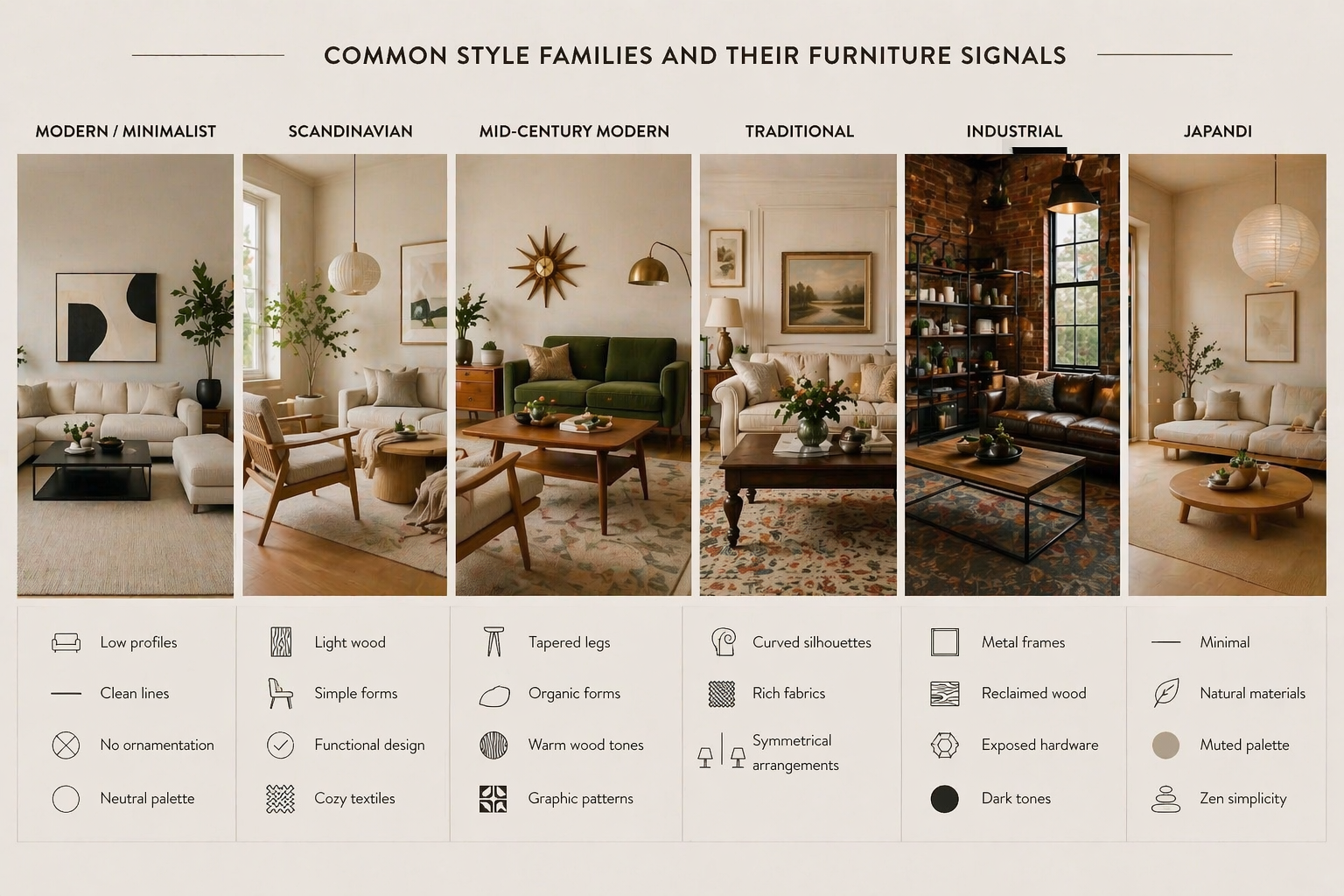
You do not need to commit to a single rigid aesthetic, but you do need a direction. Mixing styles intentionally can look sophisticated. Mixing them without a plan looks cluttered.
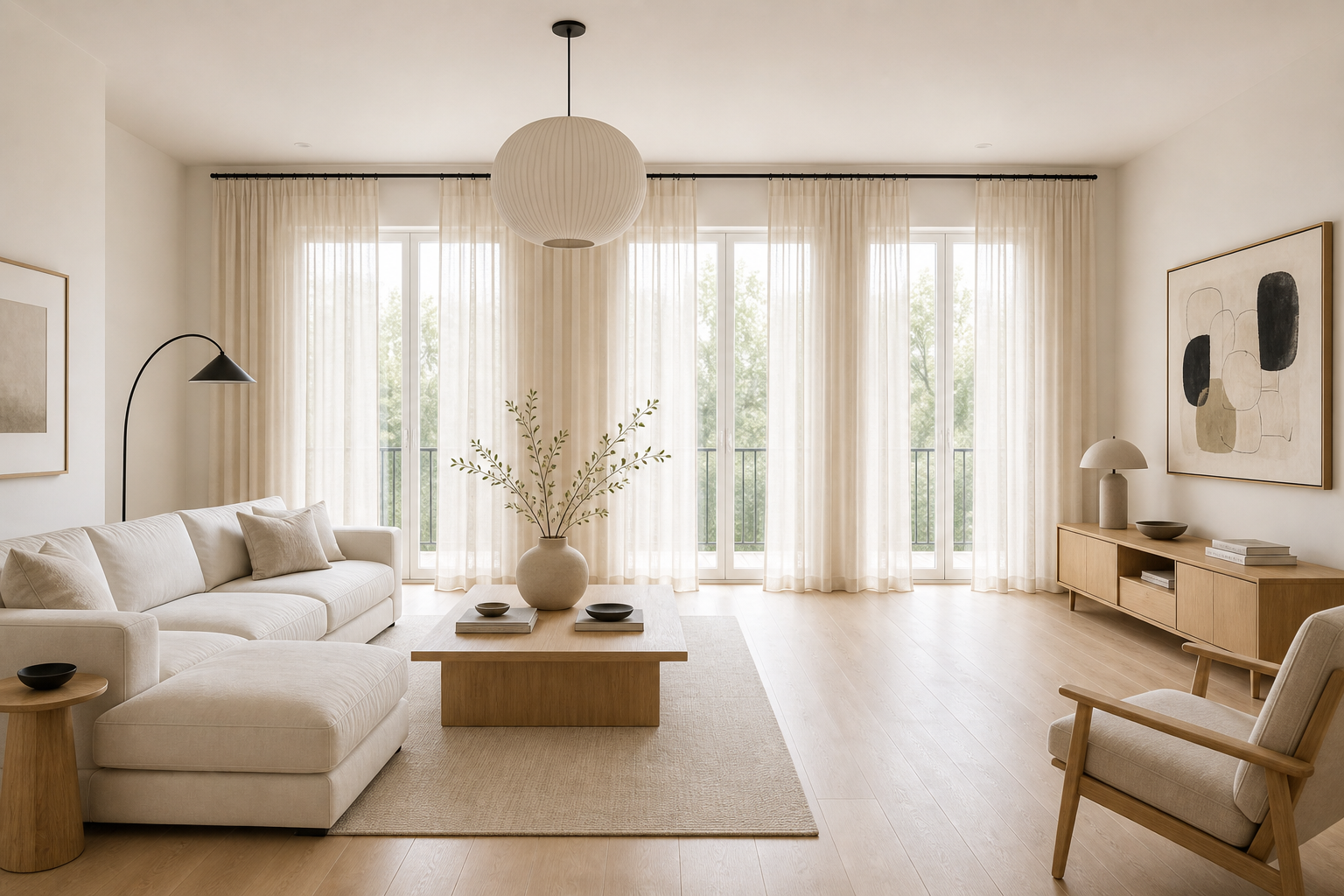
Start with two or three adjectives that describe how you want the room to feel: warm and grounded, light and airy, bold and moody. Then look for furniture that consistently reflects those qualities — in shape, material, and finish.
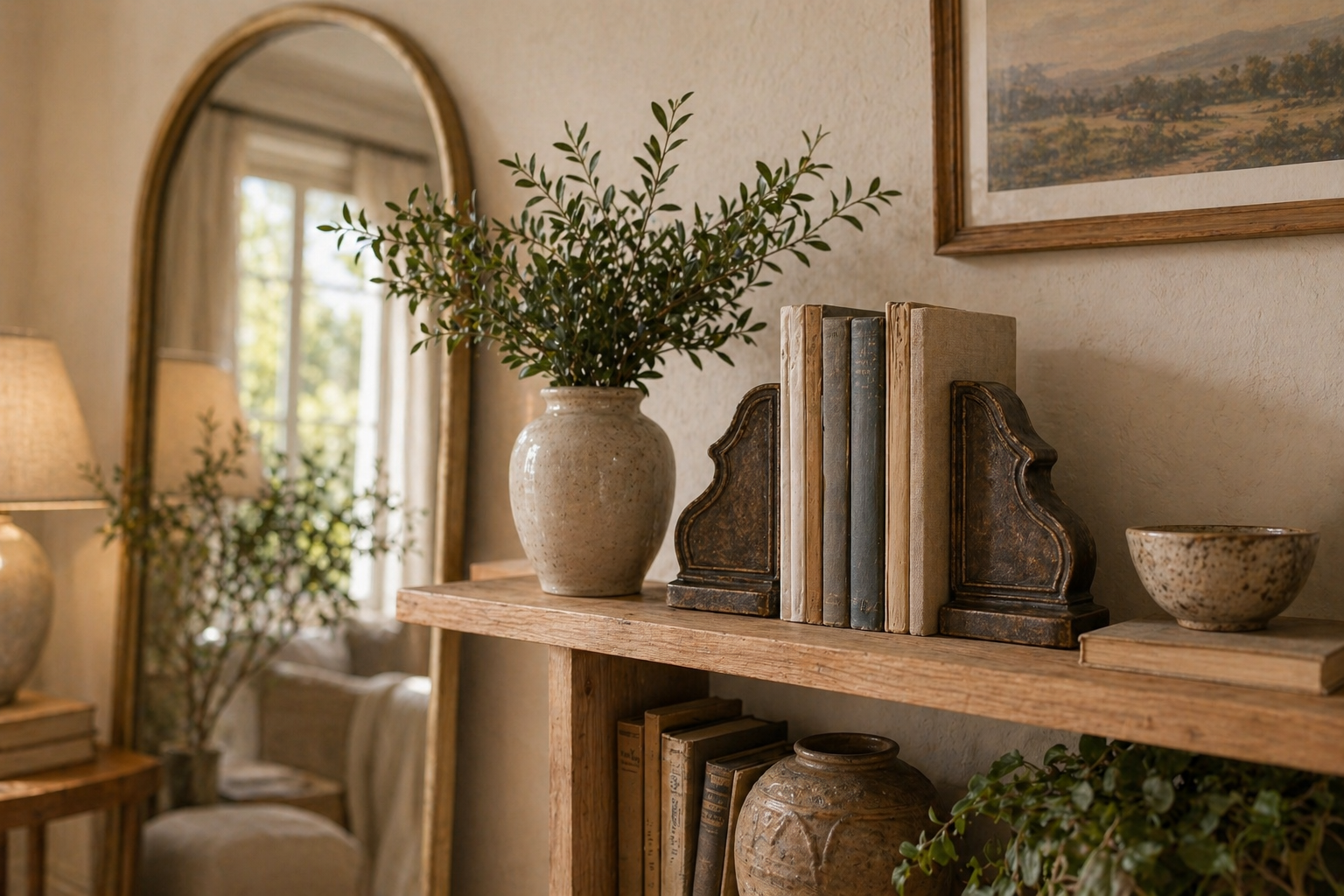
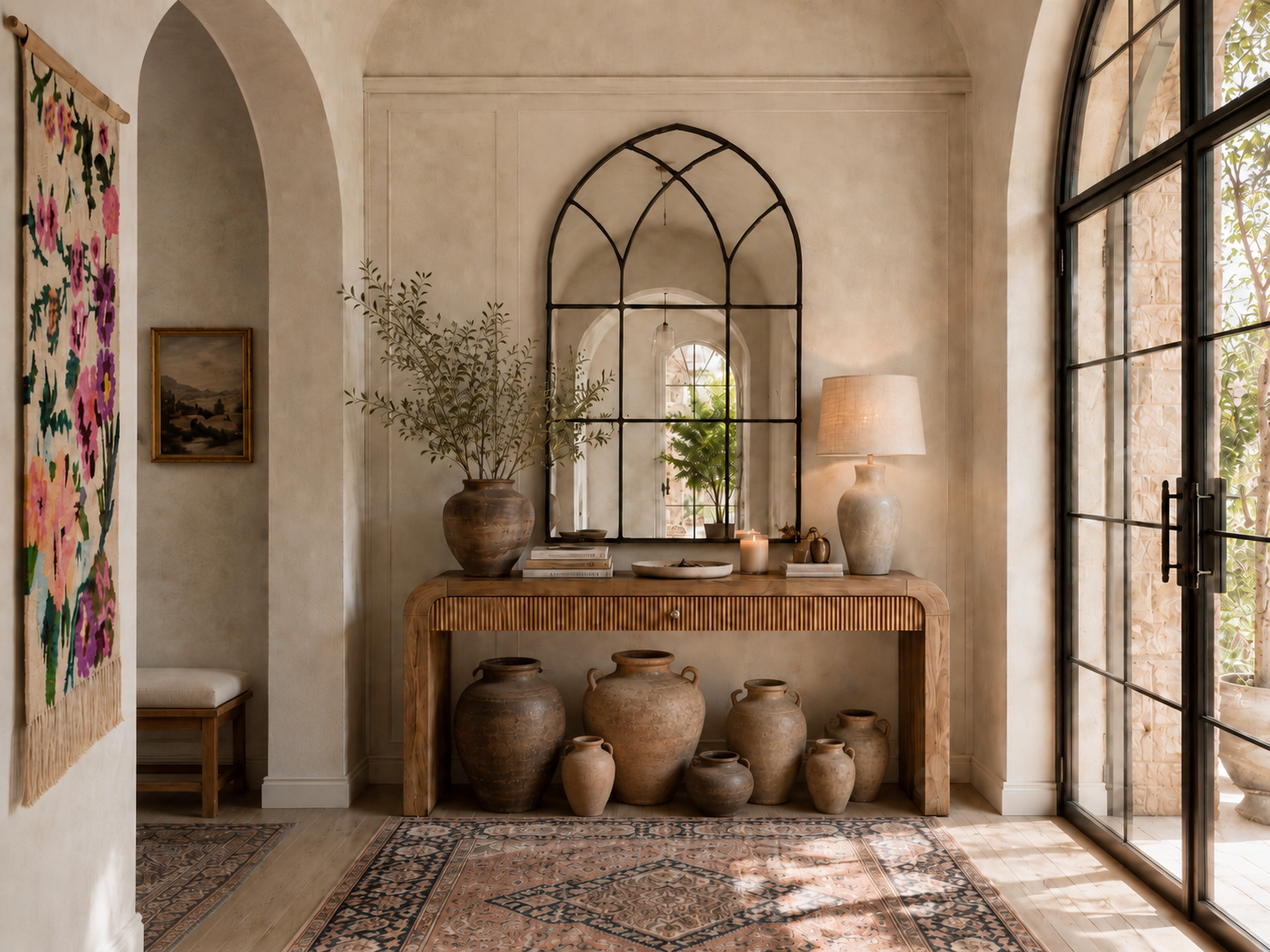
If you are not sure where to start, athomeplans.com's predesigned mood boards are an excellent starting point. Each board is a fully curated look — furniture, colors, and materials selected to work together — with a clickable shopping list so you can explore or purchase individual pieces directly. Browsing a few boards can quickly help you identify which direction resonates before you spend hours searching on your own.
Pay attention to the "bones" of pieces: the leg style, the silhouette, the hardware. A mid-century modern sofa and a rustic farmhouse coffee table can coexist if they share at least one common element — wood tone, color palette, or visual weight.
Step 4: Start with the Anchor Piece
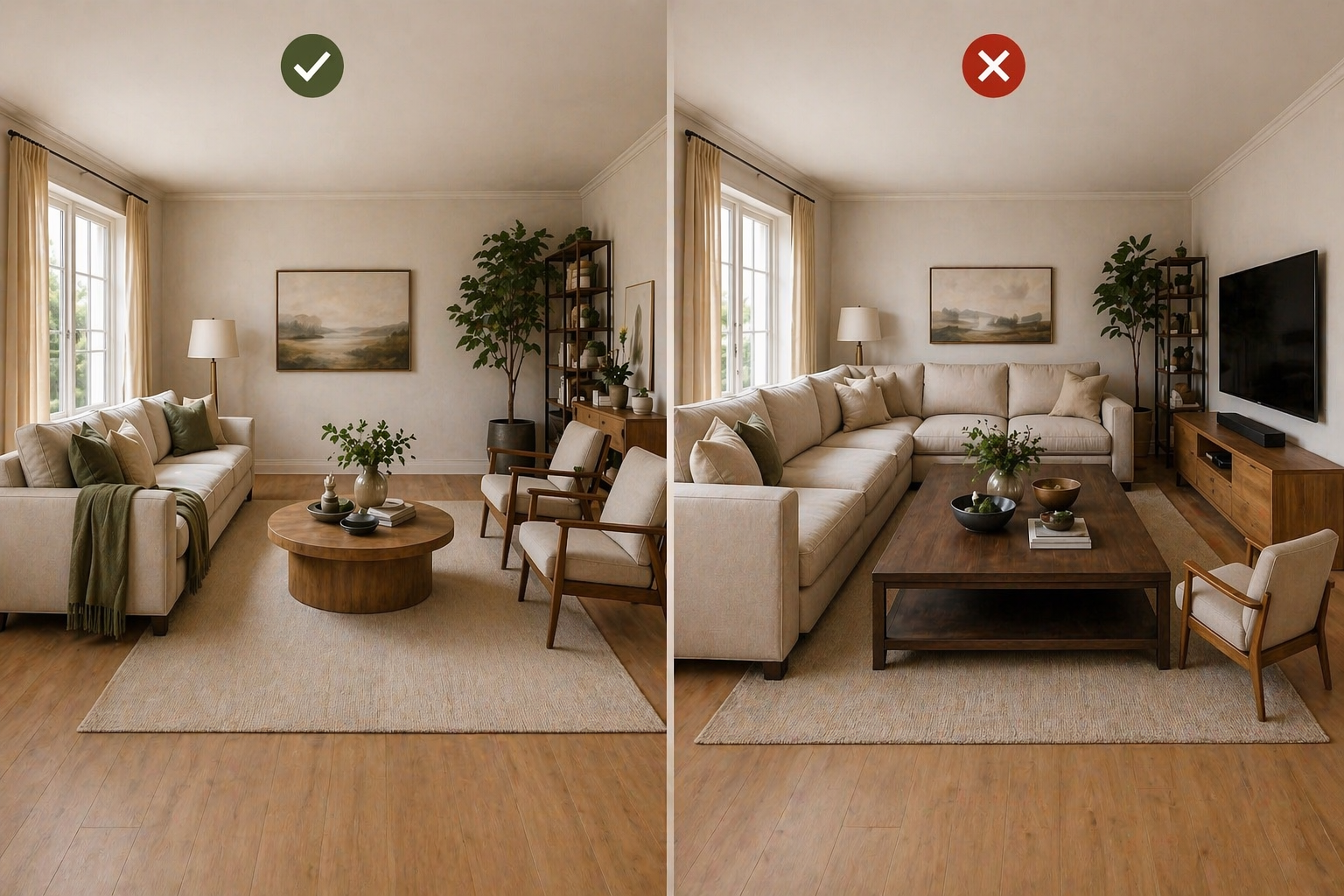
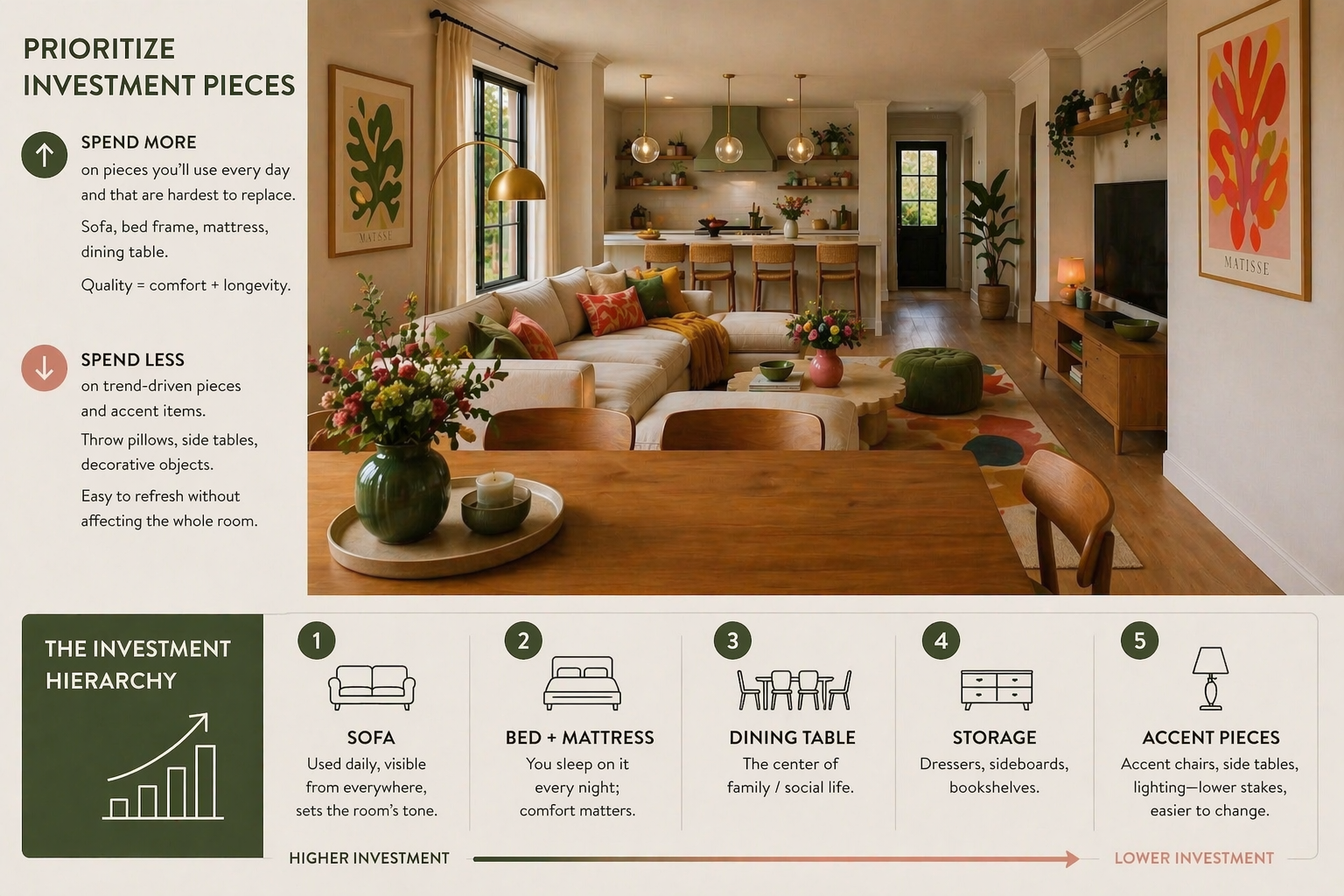
Every room has one piece that sets the scale and tone for everything else. In a living room, that is almost always the sofa. In a bedroom, it is the bed. In a dining room, it is the table.
Choose your anchor piece first and choose it carefully. Everything else should relate back to it in scale, proportion, and style. A common mistake is buying supporting pieces first — side tables, accent chairs, lamps — only to realize they have nothing coherent to anchor to.
Step 5: Plan for Traffic Flow
A room that looks beautiful in photos can feel suffocating to live in if the furniture placement blocks natural movement paths.
General guidelines:
- Leave at least 30–36 inches for main walkways
- Allow 18 inches between a sofa and coffee table
- Keep 36–48 inches around a dining table for chairs to pull out comfortably
- Do not block windows or create dead zones near doors
Furniture arrangement is about how a room feels to move through, not just how it looks from a fixed vantage point.
Step 6: Think in Sets, Not Singles
Buying furniture one piece at a time over months or years is a common approach — and a common trap. Individual pieces that seemed great in isolation often fail to cohere when finally assembled together.
Whenever possible, think in complete groupings: a sofa paired with two chairs and a coffee table. A bed with matching nightstands and a dresser. A dining table selected alongside its chairs.
This is exactly where athomeplans.com's predesigned mood boards shine. Each board brings together a complete furniture grouping — pieces that have already been selected to work together in terms of scale, style, and color. The clickable shopping list lets you purchase the full set or swap in individual pieces based on your budget and preferences. You get the cohesion of a professionally styled room without having to figure out the combinations yourself.
If budget requires buying over time, photograph all pieces you own and return to those photos every time you consider a new addition.
Step 7: Leave Room for the Room to Breathe
The instinct when furnishing a new space is to fill it — to make it feel complete and lived-in as quickly as possible. Resist this impulse.
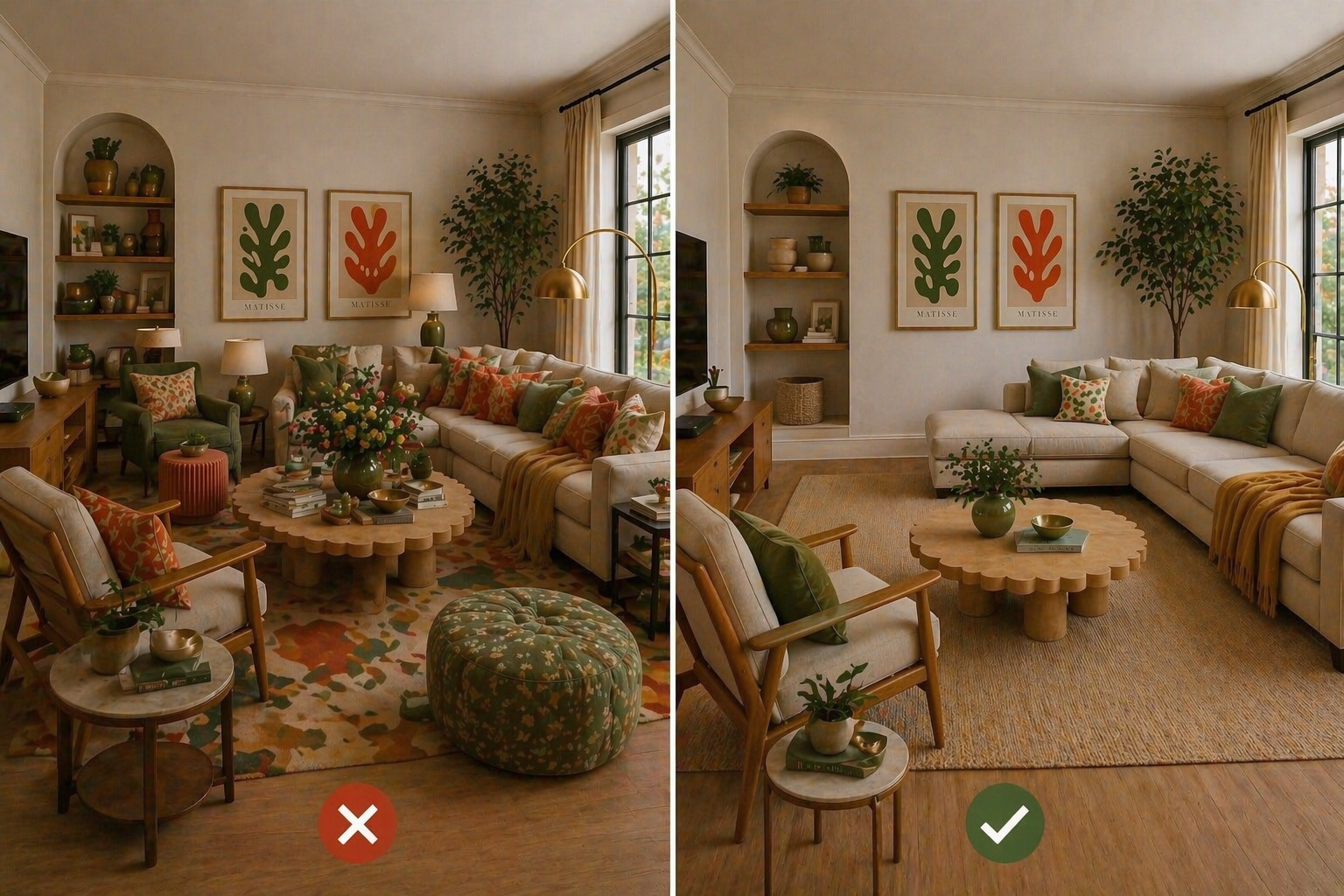
Empty space is not wasted space. It is what gives a room visual calm and prevents it from feeling chaotic. A room with eight pieces of furniture that each have room to breathe almost always looks better than a room with twelve pieces crammed together.
Wondering if your room needs one more piece or if it is already complete? Athomeplans.com's mood boards can help you evaluate — each one shows exactly how a finished room looks with intentional negative space built in. The shopping list tells you which pieces made the cut, and just as importantly, which ones did not need to be there. Use them as a reference point for what "enough" actually looks like.
Plan for negative space deliberately: walls that are not covered, floor space that is visible, surfaces that are not cluttered. A room that has space to breathe feels larger, calmer, and more intentional.
Before choosing furniture, create your floor plan — see How to Create a Floor Plan for Any Room for the step-by-step method. Once pieces are chosen, read How to Plan a Living Room Layout to finalize the arrangement.
Final Thought
Choosing furniture well is not about having a large budget or a natural eye for design. It is about having a clear process. Measure first. Know how the room will be used. Pick a direction and anchor it to one great piece. Think in complete groupings. Leave room to breathe.
Do that, and the room will come together — not by accident, but by design.
Ready to see it all come together before you buy? Browse athomeplans.com for predesigned mood boards with clickable shopping lists — curated furniture combinations for every room type and style, ready for you to explore, adapt, and shop.