How to Style a Console Table (and Why Every Home Needs One)
If you've ever walked into a room that felt put-together but couldn't quite figure out why — there's a good chance a console table was doing a lot of the heavy lifting. Slim, stylish, and endlessly adaptable, the console table might be the most underrated piece of furniture you're not using yet.
Whether you're renting your first apartment or finally decorating that awkward hallway you've been ignoring, here's everything you need to know to style a console table like a pro.
What Is a Console Table (and Why Does Every Home Need One)?
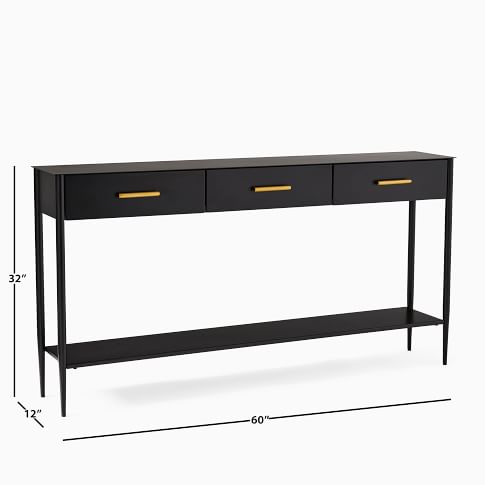
A console table is a narrow, flat-backed table typically around 12–18 inches deep — shallow enough to tuck against a wall without eating into your floor space. Unlike a sideboard or sofa table, it's usually lightweight and freestanding, which makes it a renter's dream: no tools, no holes, no commitment.
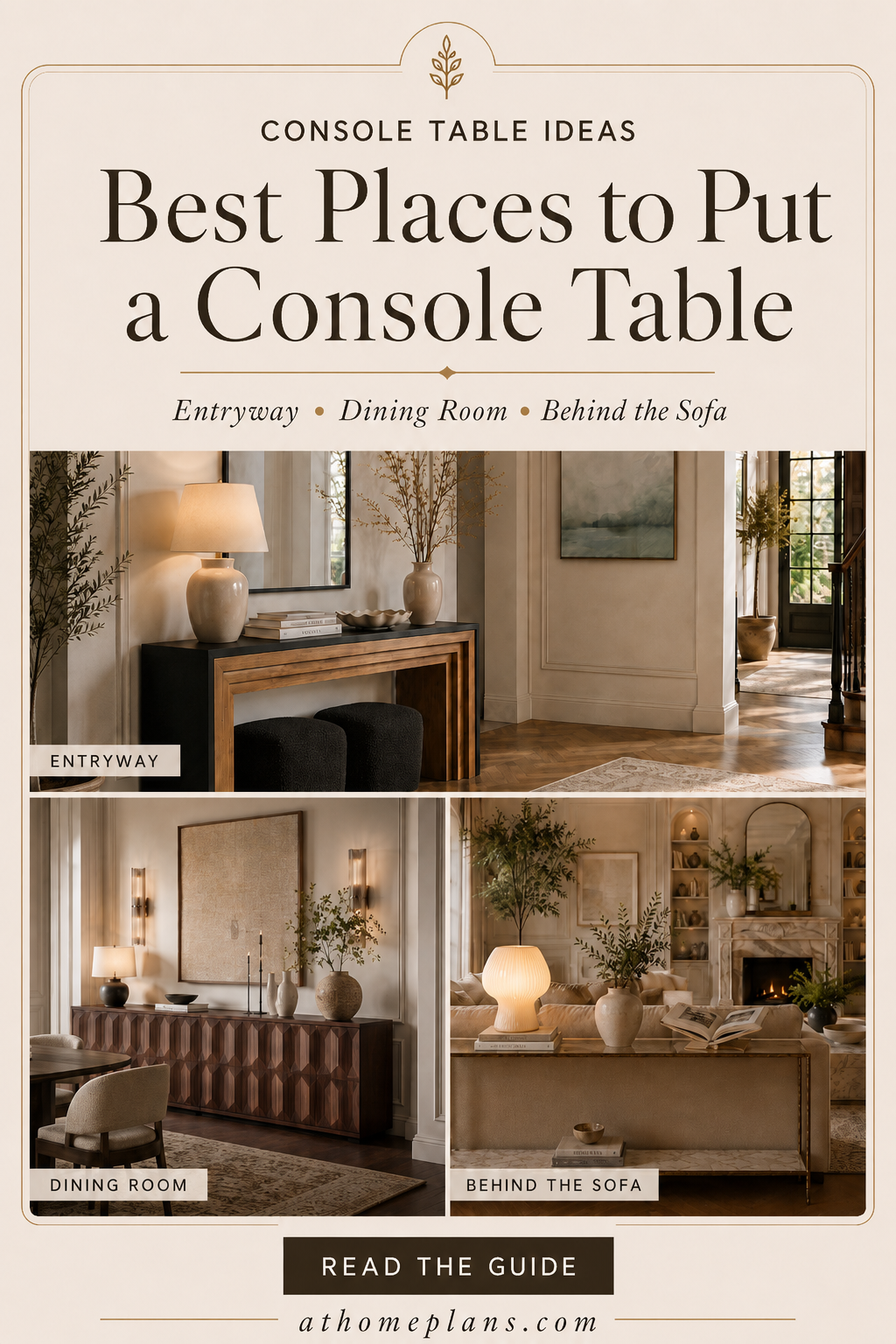
The magic of a console table is its flexibility. It can anchor an entryway, bridge the gap between a floating sofa and the wall, serve as a nightstand alternative in a small bedroom, or transform a bare dining room wall into a styled display. One table, four completely different looks.
Choosing Your Console: Think About Storage First
Before you shop for a table, think about how you'll actually use it — because the right amount of storage makes a big difference.
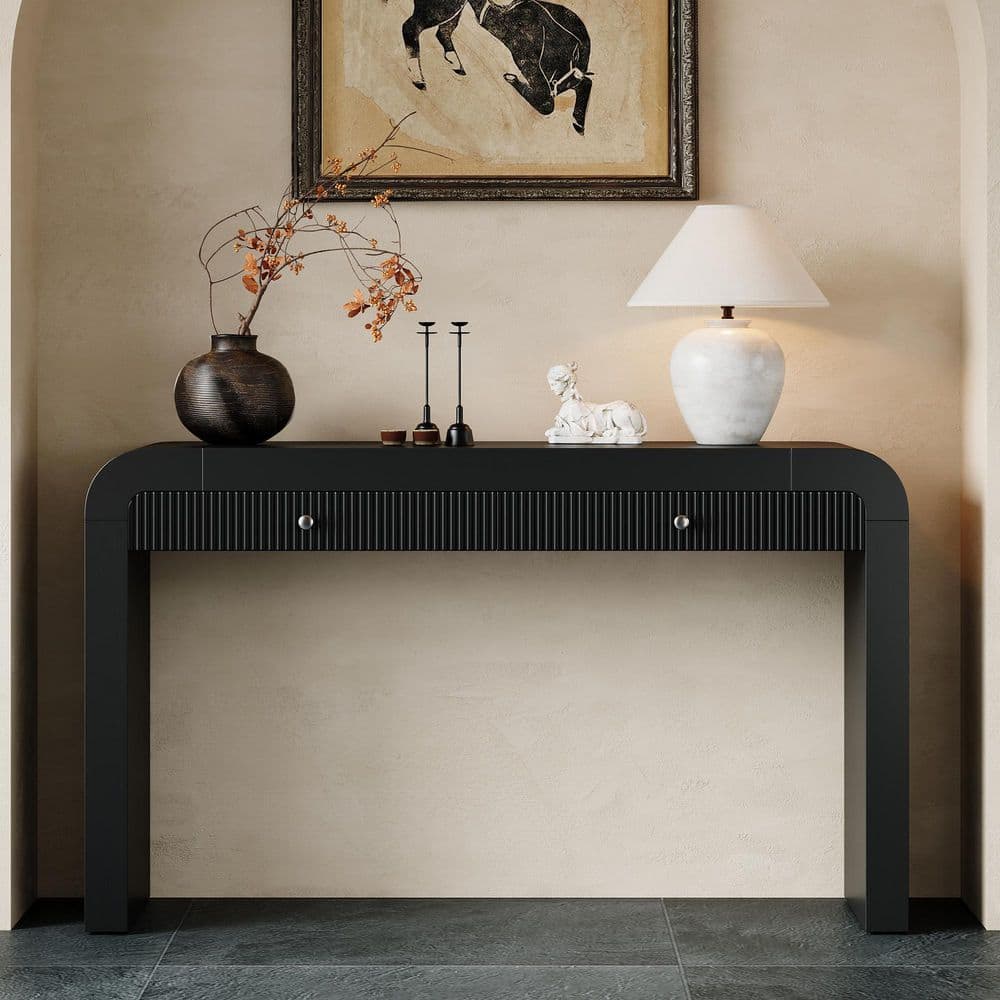
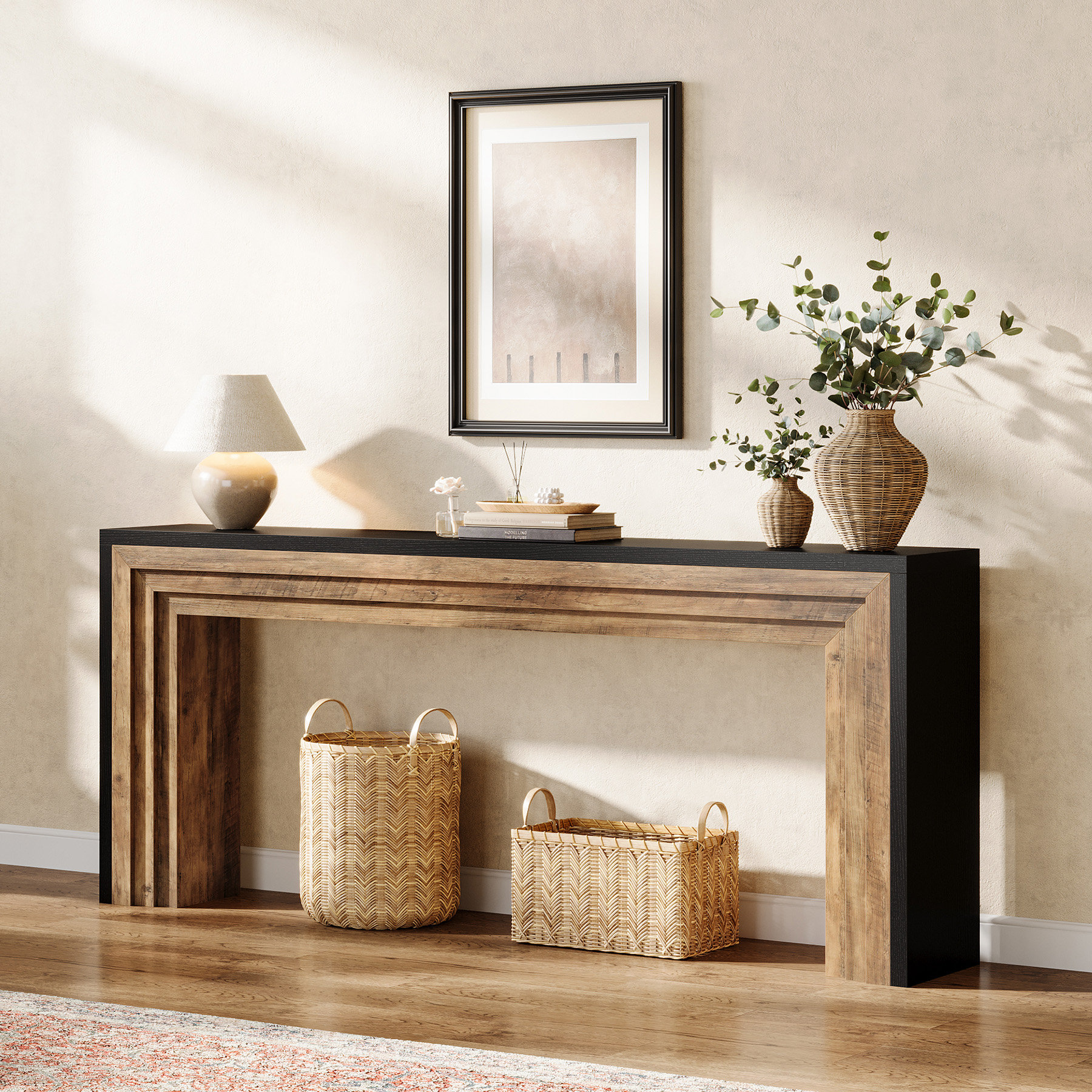
For an entryway, consider a console with a single drawer. That one drawer quietly handles all the chaos that tends to pile up by the door: spare keys, lip balm, masks, charging cables. If you have a pouf or small footstool you like to tuck out of the way, go fully open instead — a leggy, shelf-free console keeps the silhouette light and lets you slide the pouf underneath when guests arrive.
For a living room, the calculus shifts. An open console behind the sofa looks airy and modern, great for displaying books or small objects. If the back of your sofa is visible from multiple angles, though, a console with closed doors or a lower shelf can help contain clutter without sacrificing style.
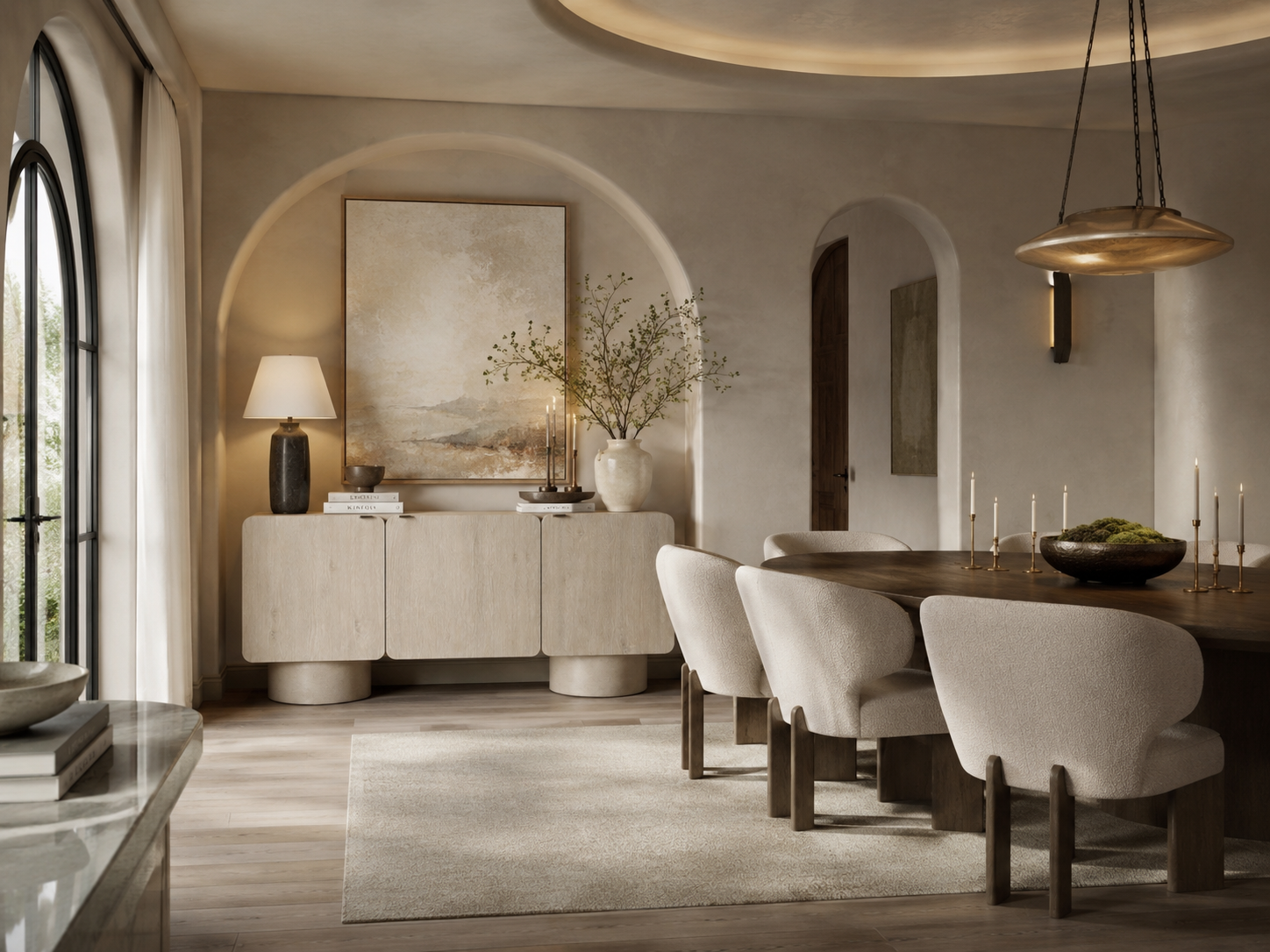
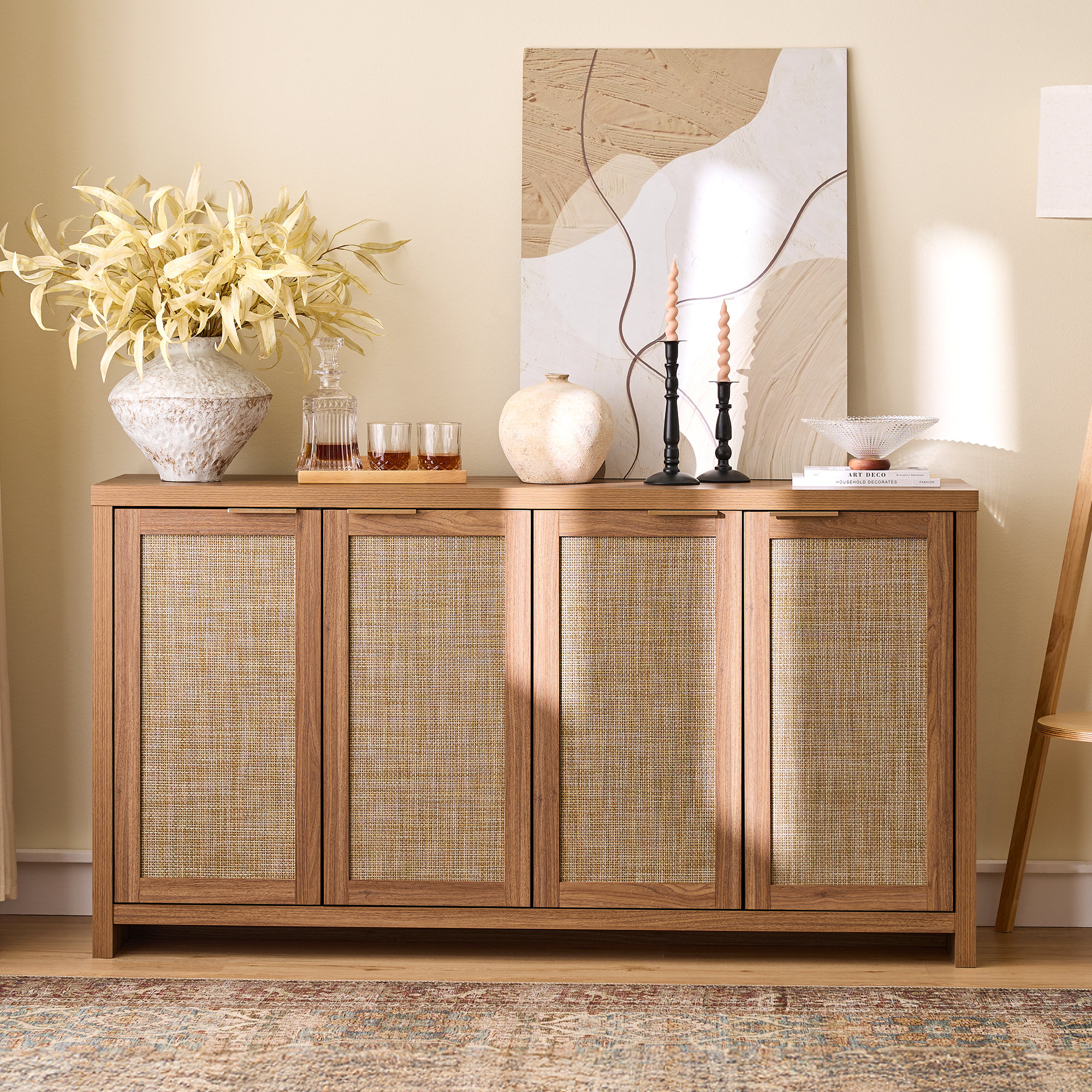
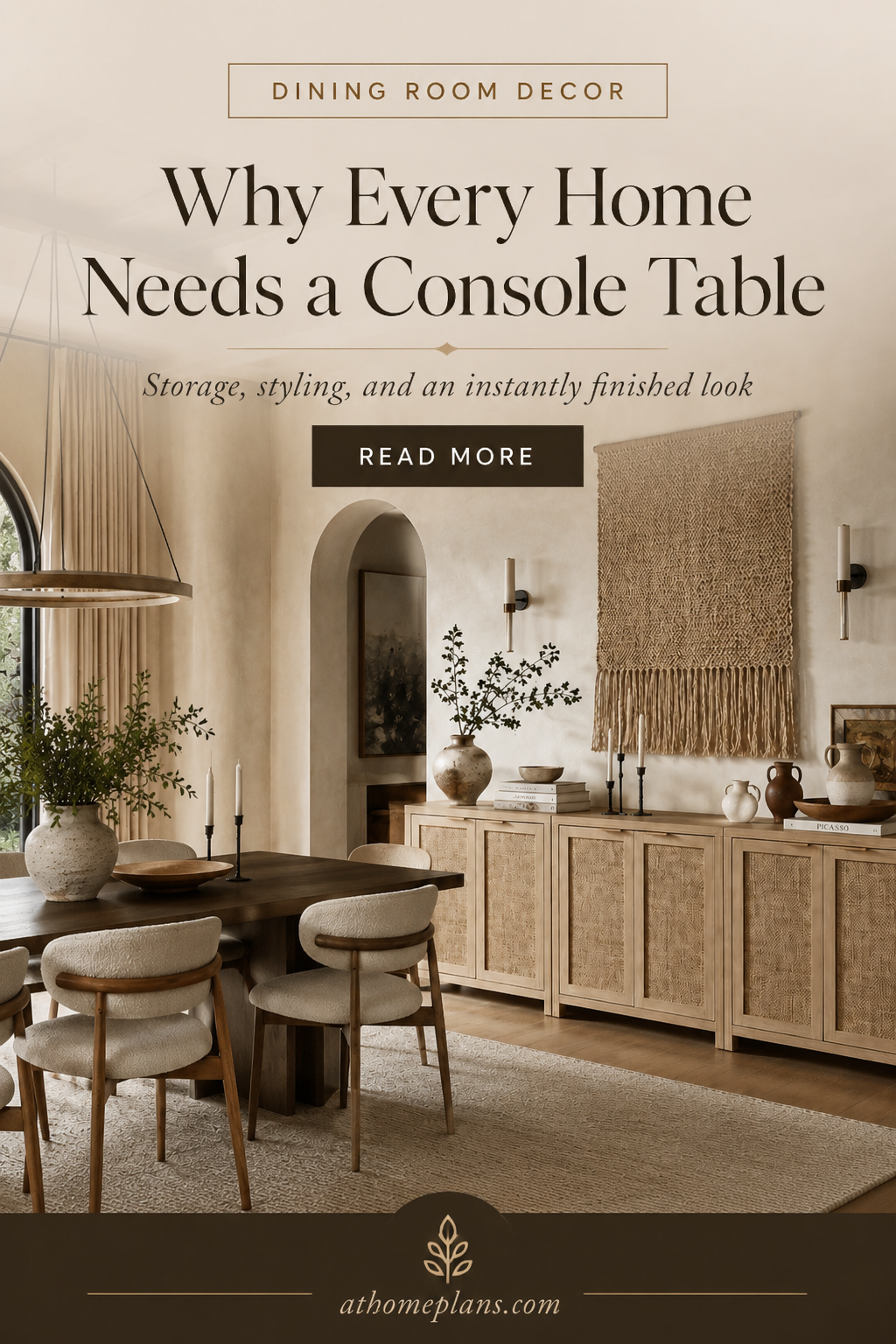
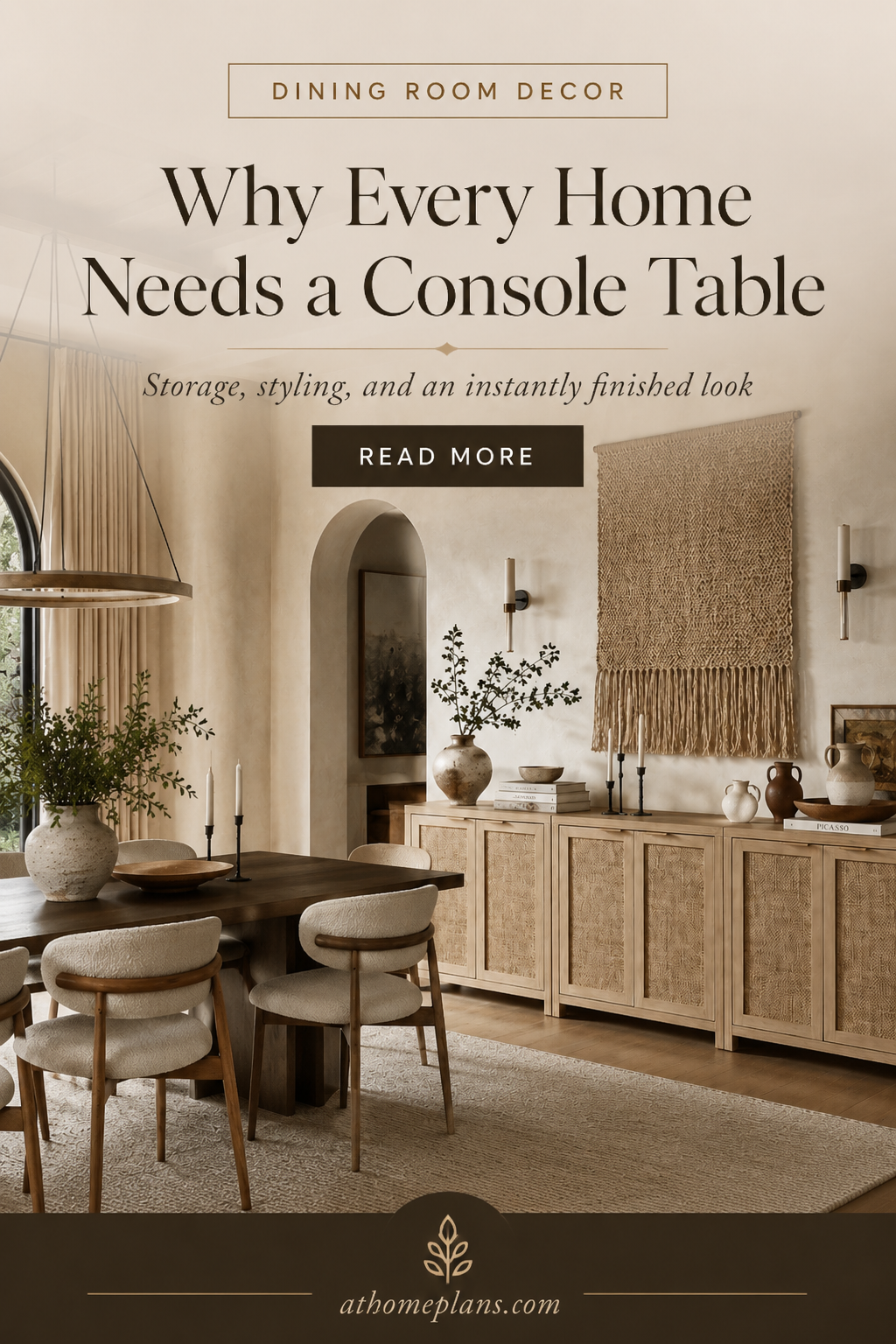
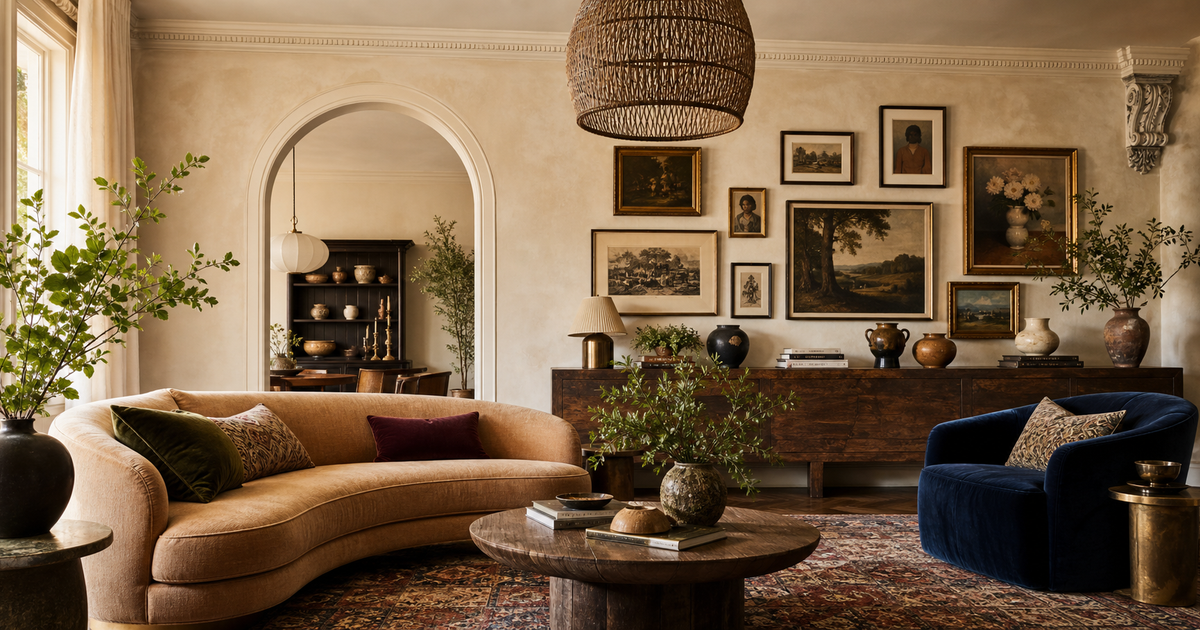
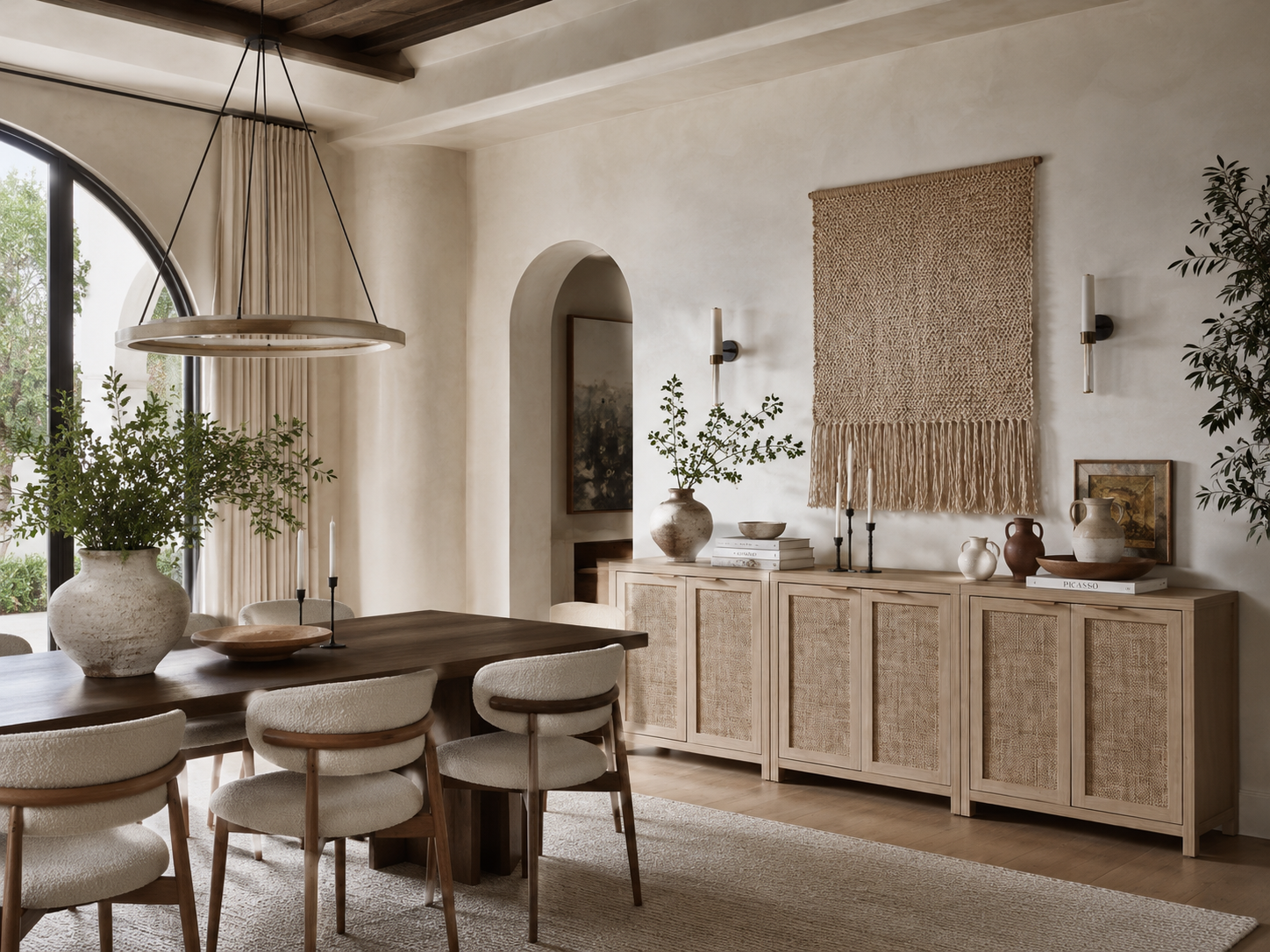
For a dining room, the console earns a new name: buffet or credenza. Here, closed storage is your best friend. A sideboard with cabinet doors quietly stashes extra serving platters, cloth napkins, candles, and wine — all the hosting essentials that don't need to be on display between dinner parties.
The Entryway: Your Home's First Impression
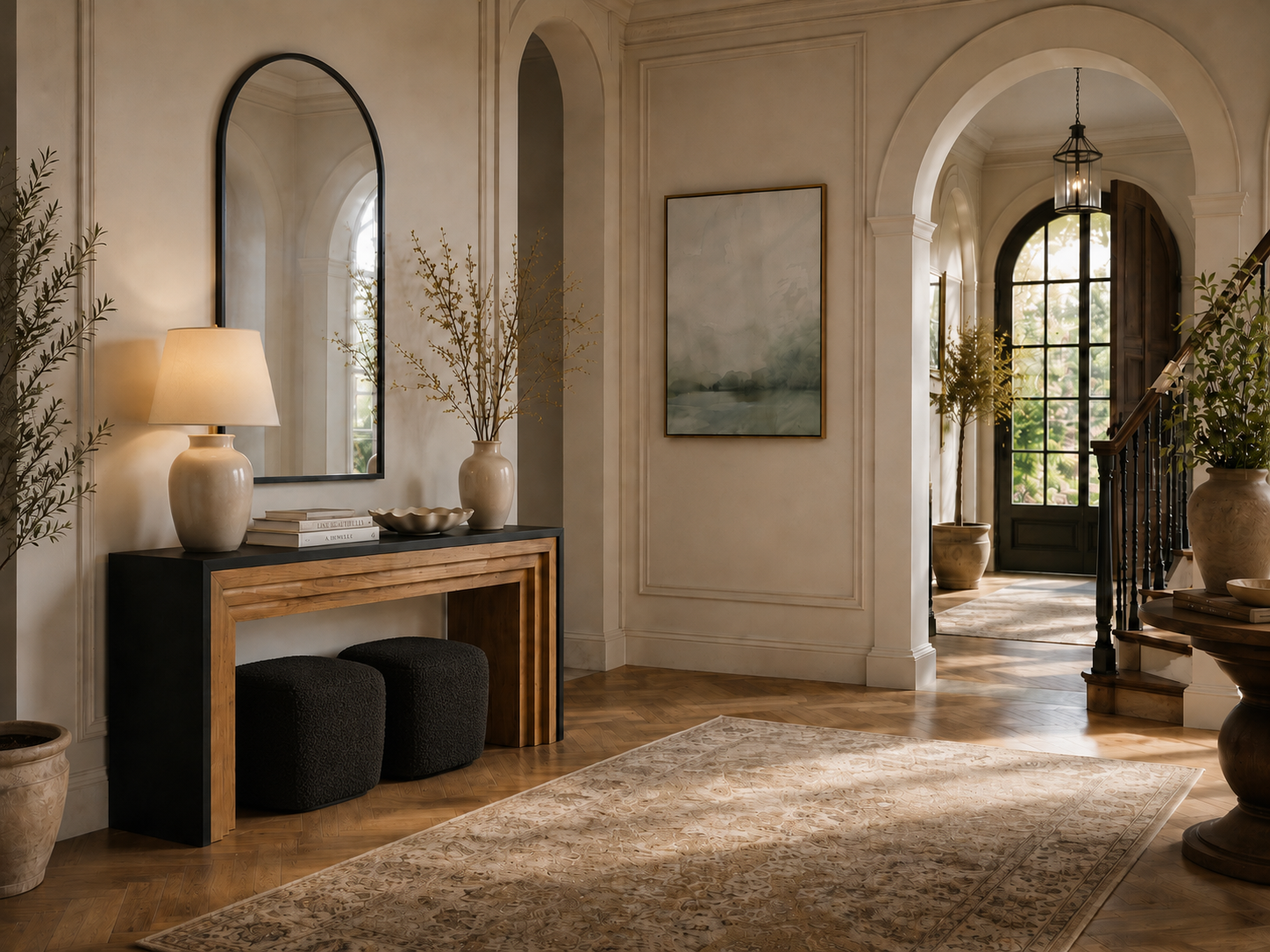
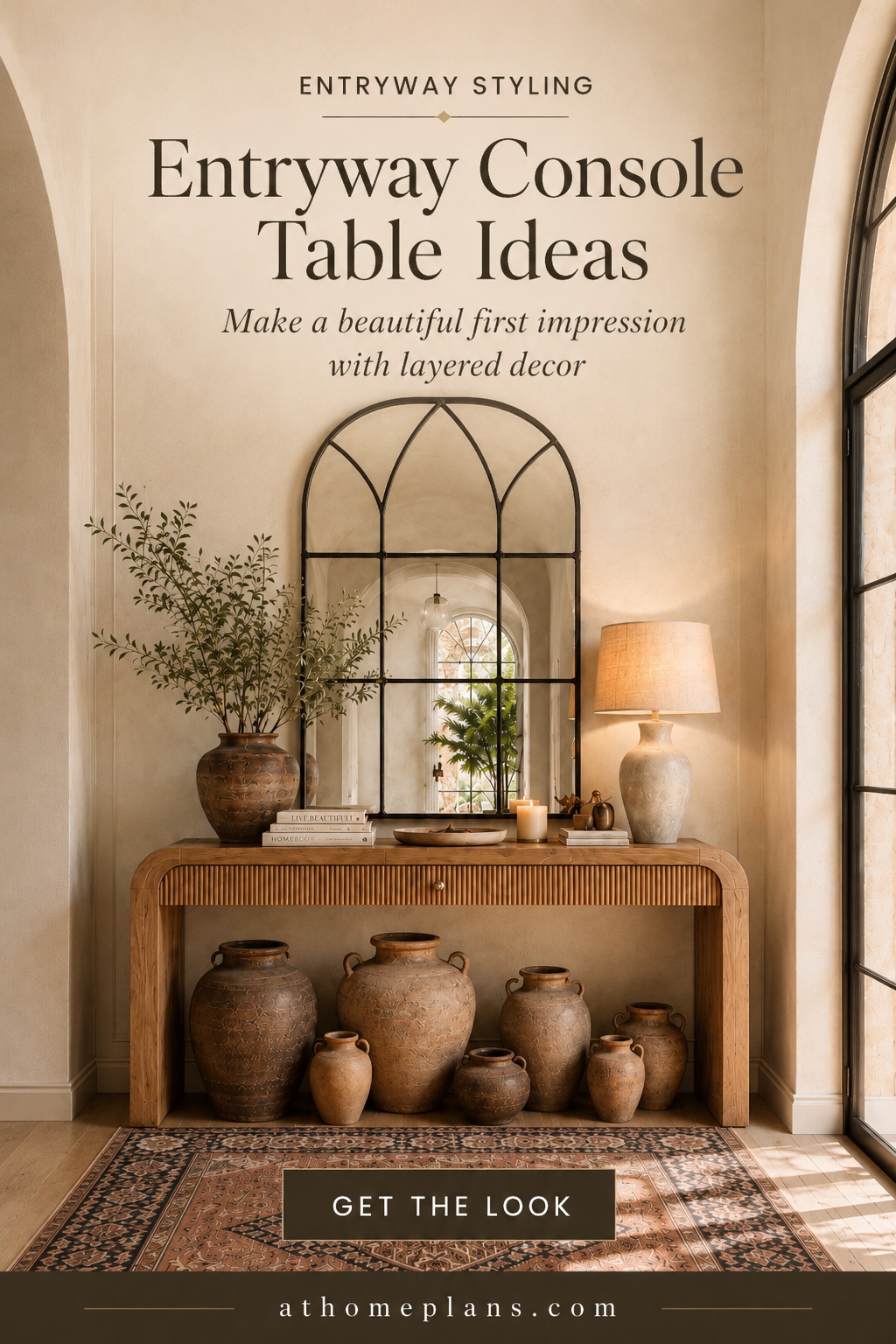
The entryway console is the original use case, and there's a reason it's still the most popular. Done right, it transforms a blank wall by the door into a considered moment — the first thing you see when you walk in, the last thing you check before you leave.
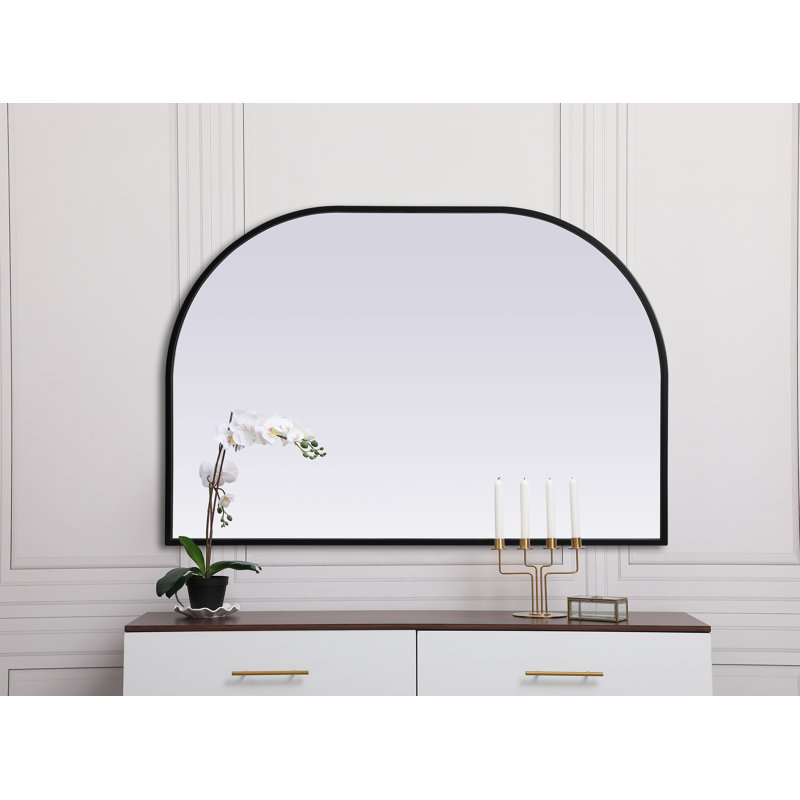
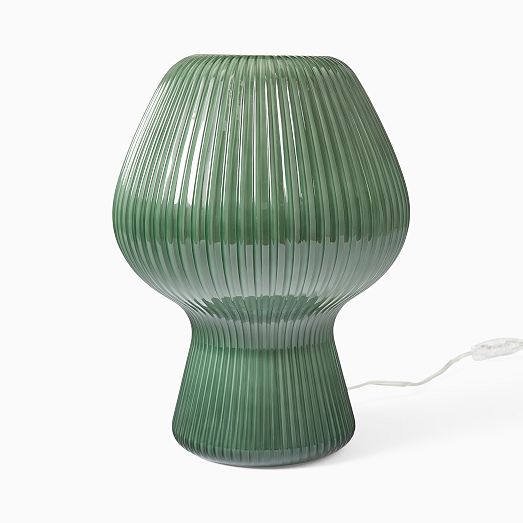
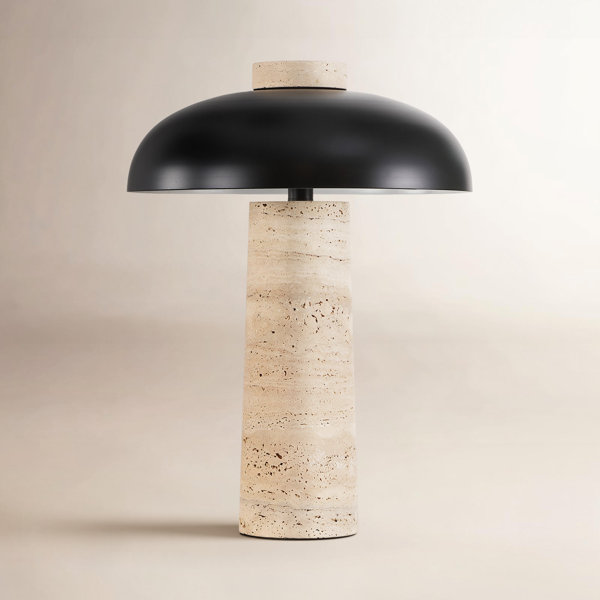
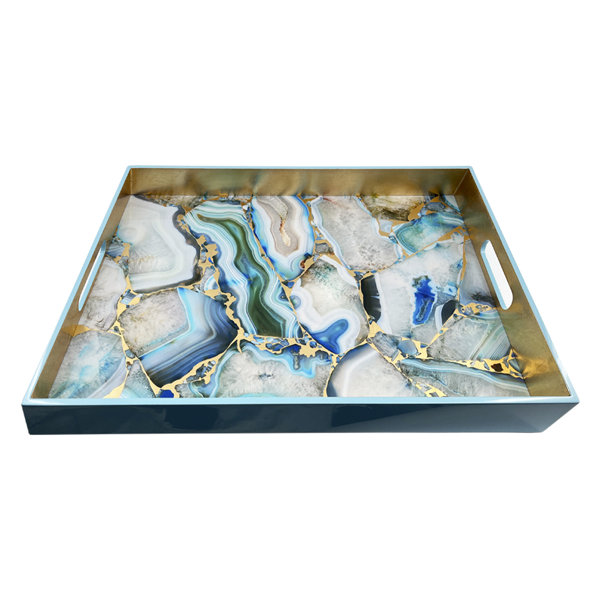
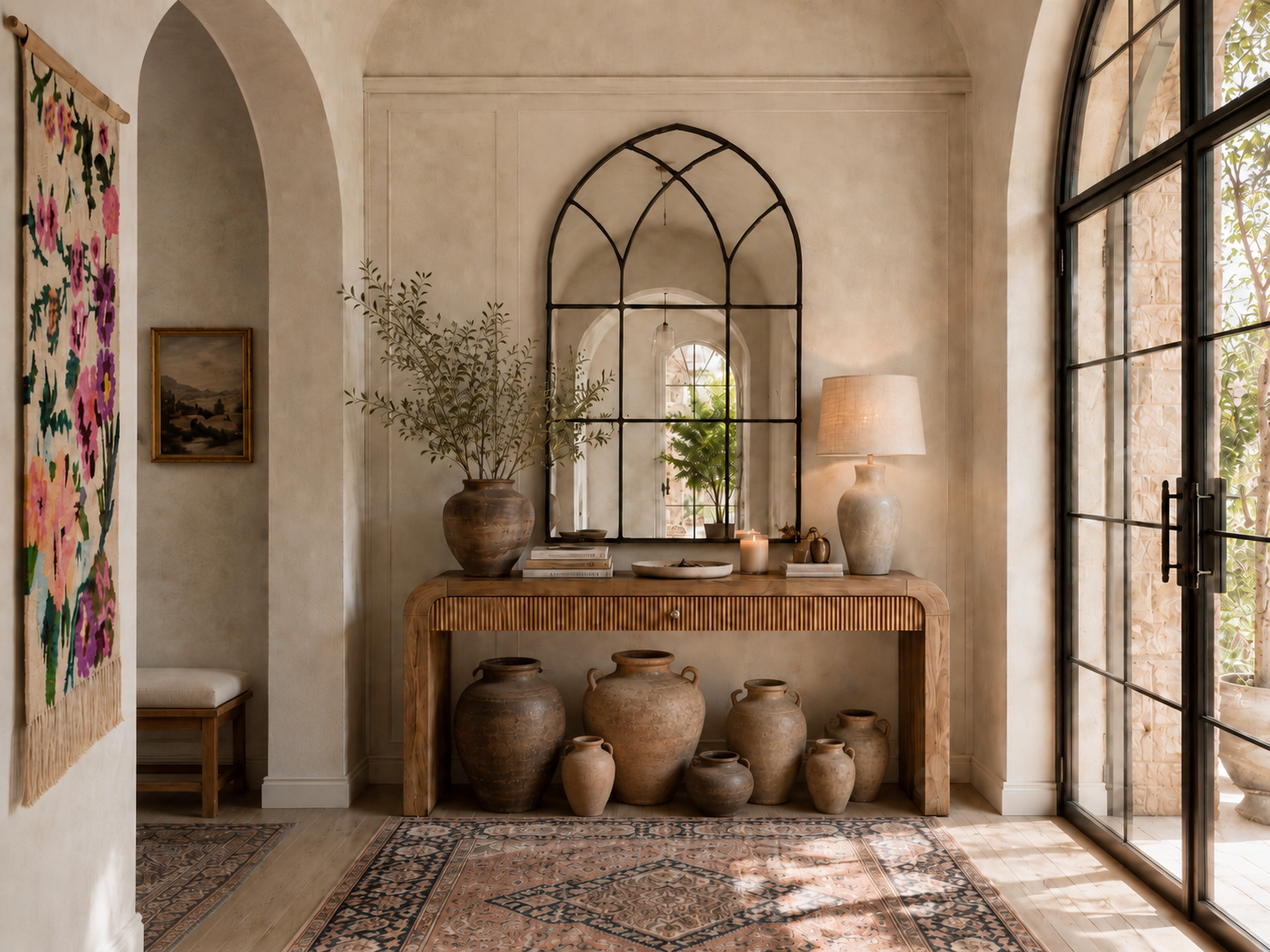
The classic formula: mirror + lamp + tray + something living. A mirror above the console bounces light and gives you a spot to check your reflection before heading out. A table lamp with a warm-toned shade makes the space feel inviting rather than utilitarian. A ceramic or rattan tray corrals the everyday clutter — keys, sunglasses, a small candle — and keeps the surface looking intentional instead of dumped-on. Add a small potted plant or a stem of dried pampas grass and you've got texture, height, and a little life.
Art that leans rather than hangs is another great option for renters: prop a canvas or a framed print against the mirror for a layered look that requires zero wall damage.
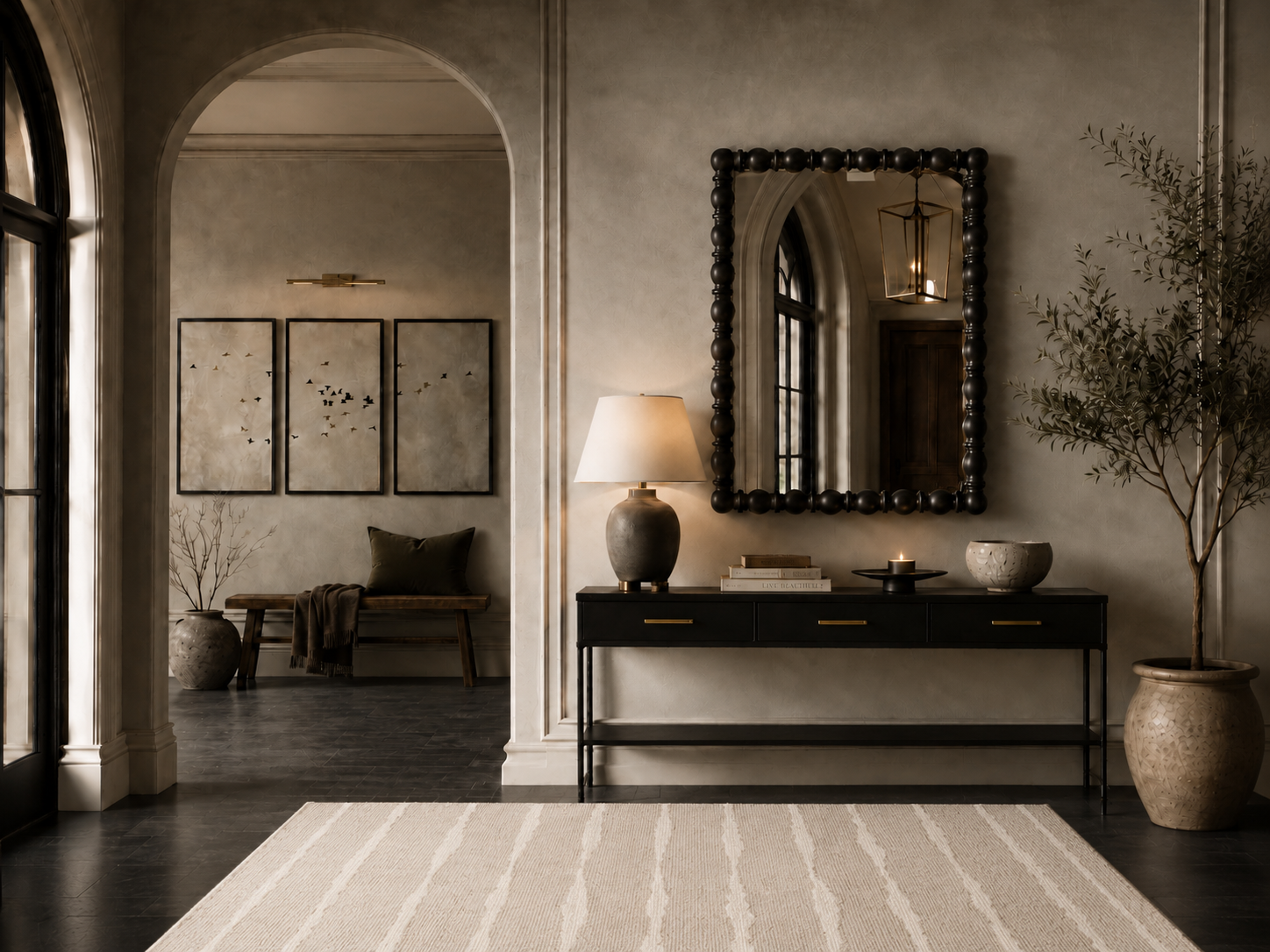
Behind the Sofa: Bridging the Float
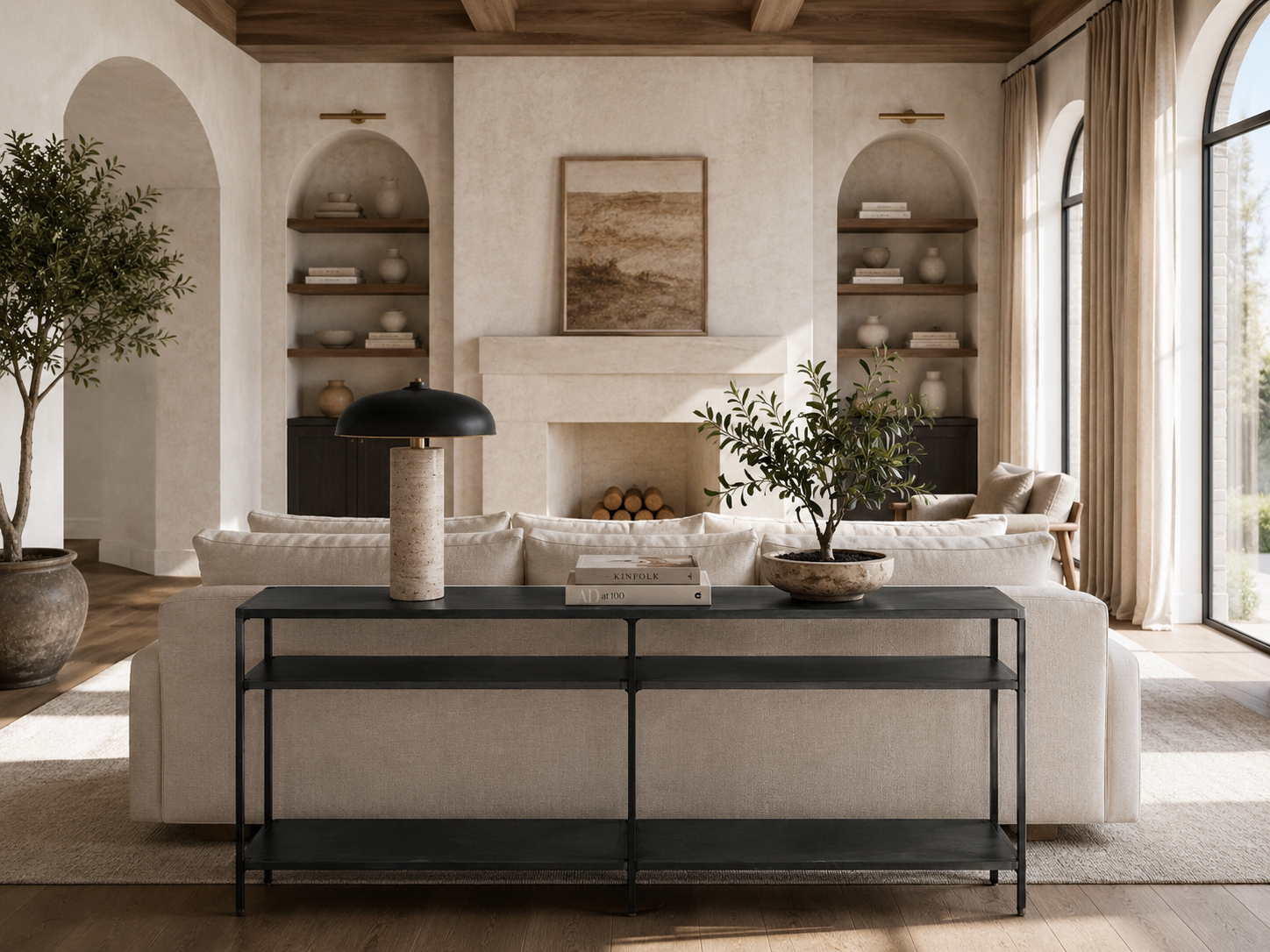
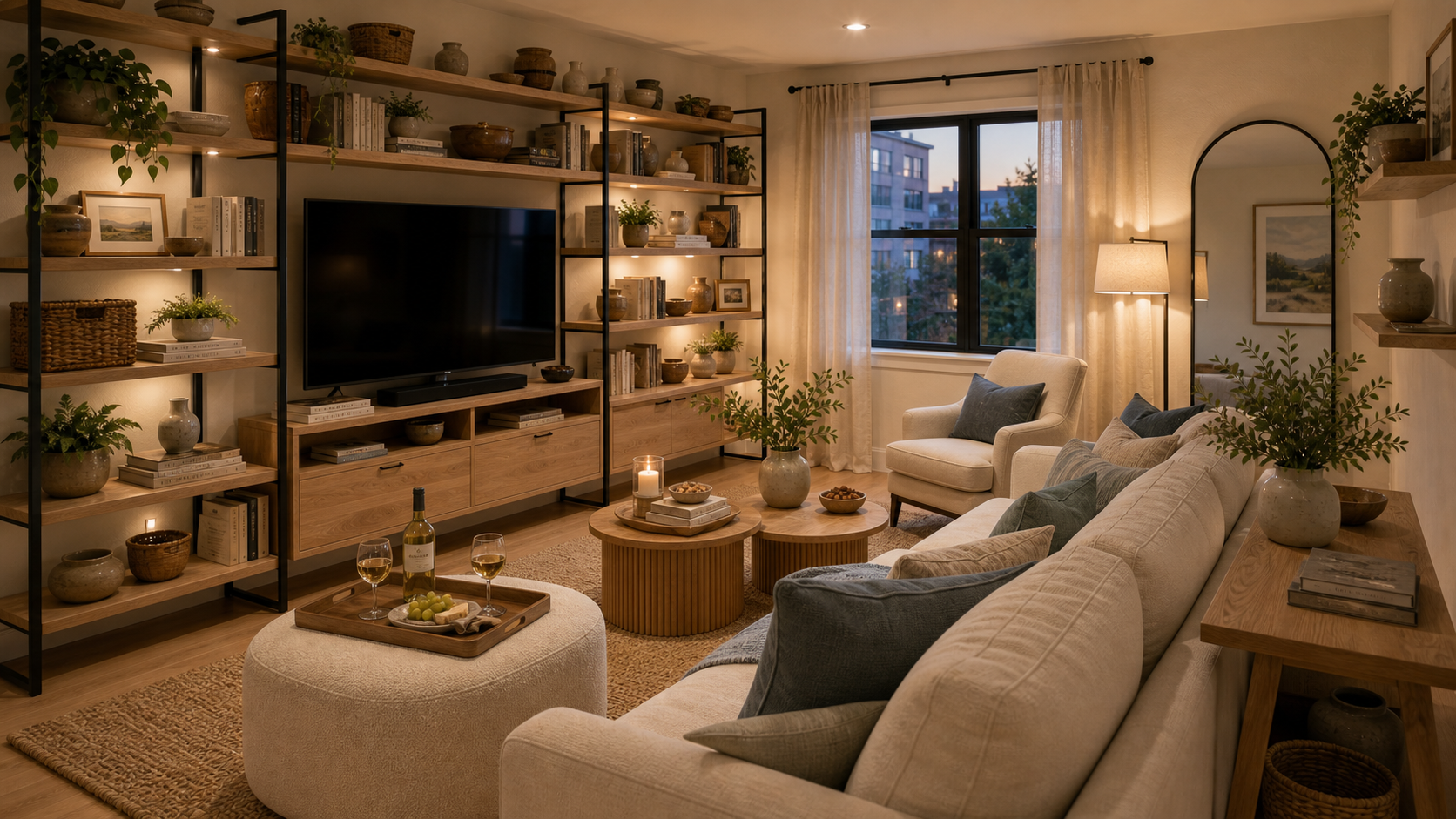
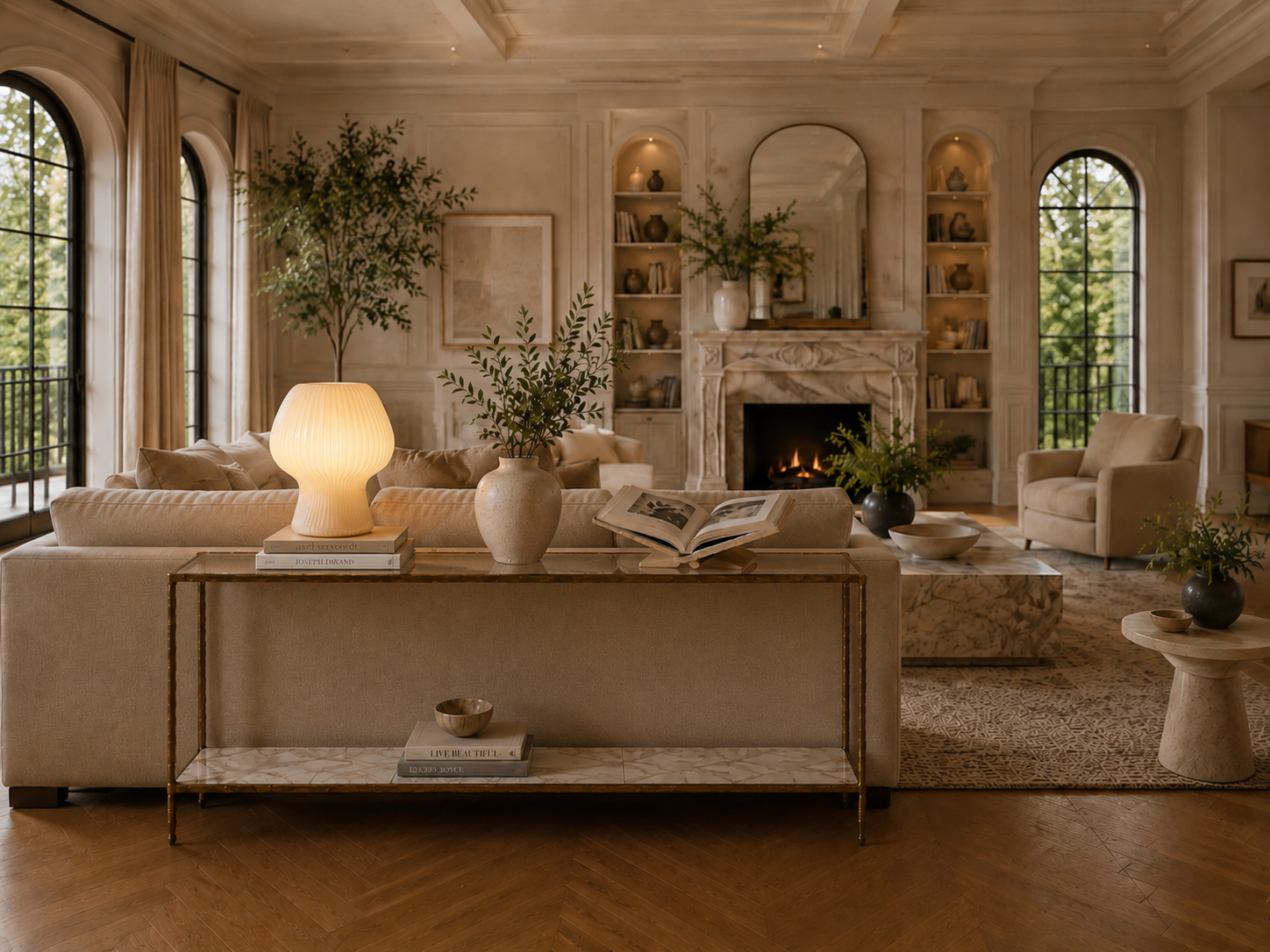
If your sofa is floating in the middle of a large room with a gap between its back and the wall, a console table is the fix. Placed directly behind the sofa (ideally within a few inches of the back cushions), it visually anchors the seating area and creates a natural boundary between the living zone and the rest of the room.
Use the console surface to set a scene: a pair of matching lamps, a low bowl of decorative objects, a small stack of coffee table books. Keep the arrangement low enough that it doesn't compete with the sofa visually — you want it to feel like a natural extension, not a distraction.
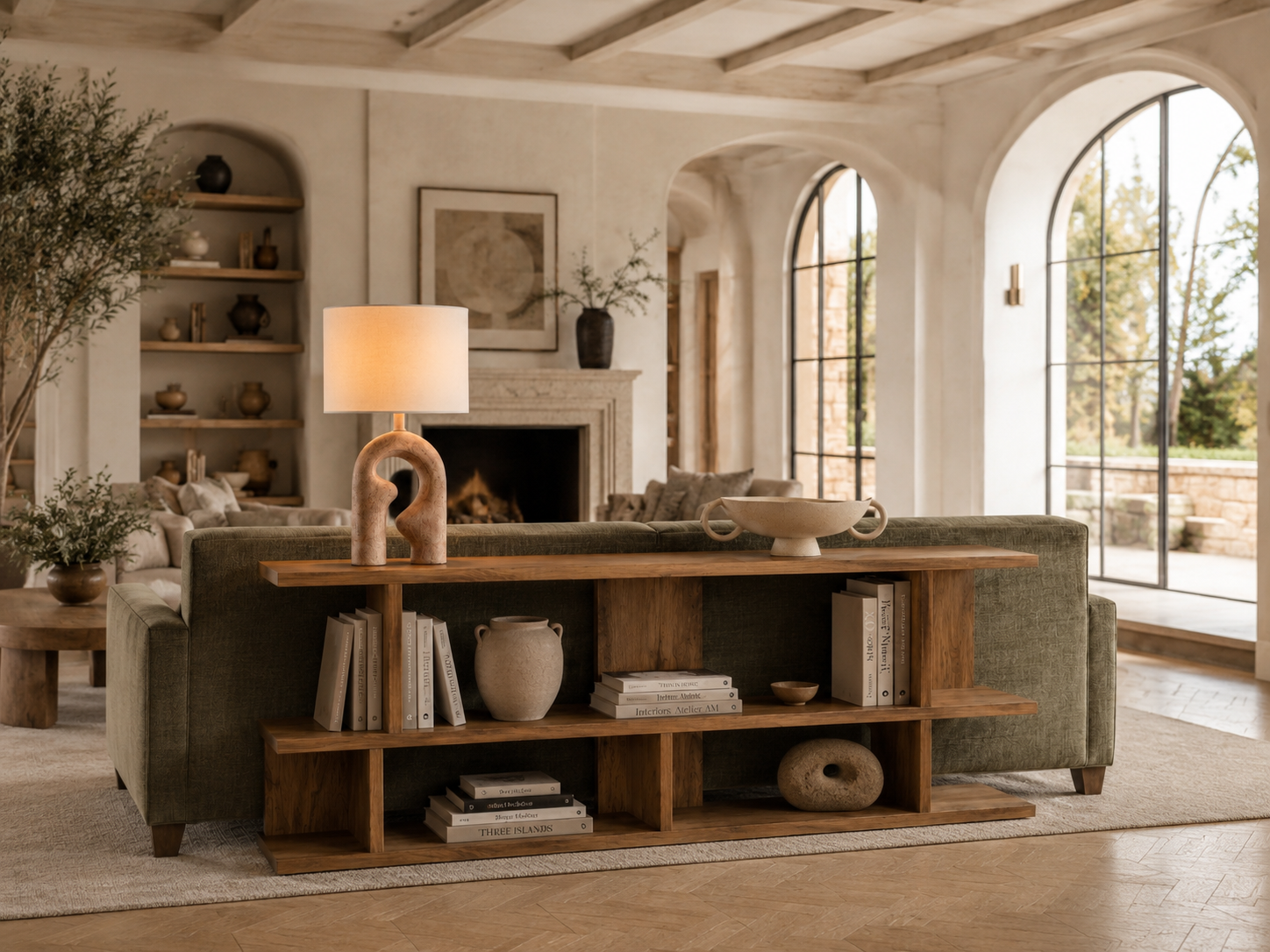
The Dining Room: Buffet Done Right
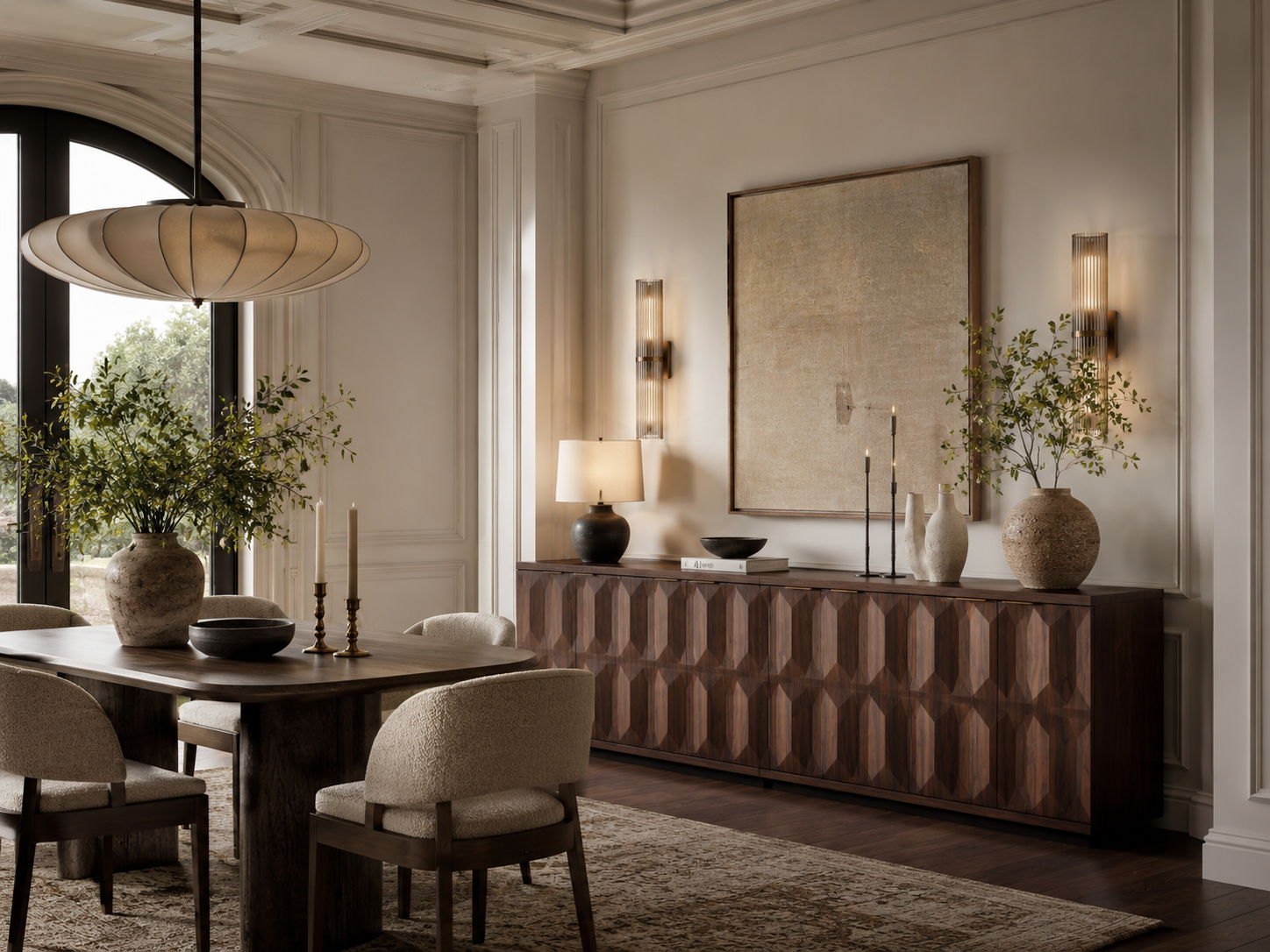
In the dining room, a buffet or sideboard console serves both form and function. Style the top with a collection of objects at varying heights — a tall vase, a squat candleholder, a small framed print — then use the closed cabinet storage below for everything that makes hosting smooth: extra place settings, cloth napkins, a good bottle of wine for unexpected guests.
A well-styled dining room sideboard also gives you a dedicated spot for serving during dinner parties, which is one of those small logistical upgrades that makes entertaining dramatically easier.
The Rule of Three: Making Any Vignette Work
No matter which room your console lives in, one rule of styling applies everywhere: group in threes, vary by height, texture, and function.
A tall lamp + a medium-height plant + a low tray. A stack of books + a small sculpture + a trailing plant. Three objects that echo each other — in color, material, or mood — without being identical. This is how you get that "collected over time" look rather than "purchased all at once."
Rotate one element seasonally — swap out the plant for a candle in winter, swap the neutral tray for a seasonal ceramic in fall — and your console will always feel current without requiring a full refresh.