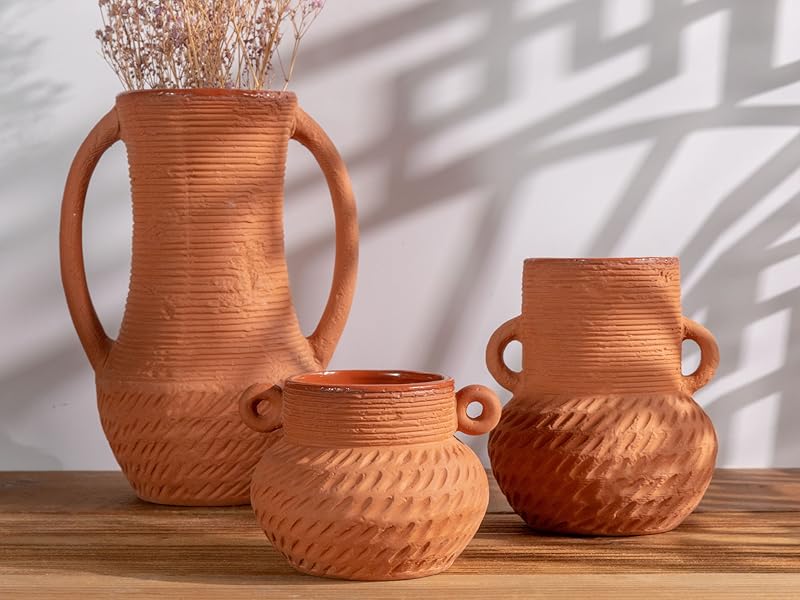
Spring is the season most people feel the pull to refresh their homes. Windows get thrown open, heavy wool throws get folded away, and suddenly every room looks a little tired compared to the bright world outside. But rather than chasing every new trend, this year the best spring updates are intentional — grounded in a few clear directions that work together rather than compete.
Here are the seven defining home decor trends of spring 2026, and practical ways to apply each one without starting from scratch.

1. Earthy Pastels Replace Cool Whites
The all-white interior has been fading for a few years, and spring 2026 puts the final nail in the coffin. What is replacing it is not bold color — it is a palette of warm, muted pastels drawn from soil, clay, and botanicals.

Think sage green with terracotta undertones. Dusty mauve against warm linen. Butter yellow beside pale oak. These are not the bright, synthetic pastels of the 1980s. They are quieter, almost sunbaked, and they read as sophisticated rather than precious.
How to bring it in:
- Swap a cool gray throw for one in warm sage or dusty rose
- Paint a single accent wall in a clay-toned limewash finish
- Replace stark white ceramic accessories with matte terracotta or blush alternatives
- Look for cushion covers in washed linen — the slightly imperfect weave carries color beautifully
If you are nervous about color on walls, start with textiles. A single sage linen duvet or a terracotta throw transforms a neutral room without permanence.

2. Curved and Sculptural Furniture
The hard geometry that defined 2010s minimalism is giving way to something warmer and more human. Curves — in sofas, chairs, coffee tables, mirrors, and even doorways — are now one of the strongest through-lines in contemporary interior design.

The appeal is intuitive: rounded shapes are softer on the eye and feel more inviting to the body. A curved sofa naturally creates a conversation cluster. A round coffee table eliminates the visual tension of sharp corners. An arched mirror adds drama without aggression.
Pieces making the biggest impact:
- Boucle sofas with rounded arms and pillow-soft backs
- Kidney-shaped coffee tables in travertine or natural wood
- Scalloped or arch-framed mirrors
- Barrel accent chairs with a continuous seat-to-back curve
- Rounded ottomans doubling as coffee tables
What to avoid: Curves for curves' sake. One or two statement curved pieces anchor a room. Five or six makes it feel unserious. Pair organic furniture forms with a grounded palette and natural materials for balance.

3. Biophilic Details at Every Scale
Biophilic design — the practice of connecting interiors to the natural world — has moved from niche to mainstream, and spring is when it makes the most sense. Nature is doing its most dramatic work outside, and the interiors that feel best right now invite it in at every opportunity.
In 2026, biophilic style is not just about adding a fiddle leaf fig. It is about layering organic references throughout a space: botanical prints, woven textures, raw stone surfaces, and the specific palette of emerging spring foliage.
Spring-specific biophilic moves:
- Dried and preserved botanicals arranged in grouped clusters — stems, branches, seedheads
- Fresh florals in simple vessels (one flower type per vase, not mixed arrangements)
- Leaf and branch motifs in textiles, wallpaper, and artwork
- Opening up a wall section to rough plaster or limewash for a natural, handmade finish
- A single large statement plant — a monstera, banana leaf, or olive tree — rather than many small ones
4. Warm Wood Tones Everywhere
Cool, light Scandinavian-blonde wood had a long run. The dominant wood tone of spring 2026 is warmer: honey, amber, caramel, and walnut are the woods showing up in furniture, flooring, cabinetry, and accessories.
This shift makes rooms feel richer and more grounded without being heavy. Warm wood works especially well against the earthy pastel palette of this season — the two reinforce each other.
Where it shows up:
- Dining tables and chairs in solid walnut or mango wood
- Open shelving in warm oak replacing painted or lacquered alternatives
- Wood-framed sofas and beds (visible frames, not fully upholstered)
- Decorative objects in turned wood — bowls, vases, candlesticks
- Kitchen counters in butcher block or thick-edge wood slab
Mixing two warm wood tones in the same room is fine — even desirable — as long as they share the same undertone (both golden, or both red-brown). Avoid mixing a cool ash with a warm walnut; they fight each other.
5. Woven and Textured Textiles as Design Focus
This spring, what you put on a surface matters as much as what that surface is. Woven textiles — bouclé, jute, chunky knit, rattan weave, and hand-loomed linen — are taking center stage as design elements in their own right rather than background support.
The emphasis on texture is partly a reaction to the ultra-smooth, high-gloss surfaces that dominated the past decade. Texture engages the sense of touch, adds visual warmth, and makes a room feel genuinely inviting rather than just photogenic.
Key textured additions for spring:
- A chunky-knit throw draped over a chair arm (not folded neatly — left casual)
- Woven rattan lampshades replacing linen or ceramic alternatives
- A hand-knotted or flatweave rug in natural undyed fibers
- Wicker or seagrass storage baskets replacing smooth bins and boxes
- Macramé or hand-woven wall hangings as a textile art alternative
6. The Statement Entryway
Entryways have historically been treated as transitional — a space you pass through rather than inhabit. Spring 2026 challenges that assumption. The entry is having a genuine design moment, with homeowners investing in bold wallpaper, meaningful art, statement lighting, and carefully edited furniture that makes a strong first impression.
The logic is simple: the entry sets the mood for every room that follows. A well-designed entry primes the senses and signals that the rest of the home is considered.
Entry upgrades that make the biggest difference:
- A bold, large-scale print or botanical wallpaper on a single wall or ceiling
- A console with real character — antique, handmade, or with an interesting material finish
- One dramatic light fixture rather than a standard flush mount
- A full-length mirror that makes the space feel larger
- A single sculptural plant — something tall and architectural like a cactus, olive tree, or tall snake plant
The key constraint: edit aggressively. A small entry with one great piece beats a crowded one with five mediocre ones.
7. Layers, Not Looks
The overriding shift in how people are decorating their homes in 2026 is away from the curated, all-at-once aesthetic toward something that feels genuinely lived-in. The best rooms this spring are not finished — they are layered.
Layering means mixing old and new. It means a vintage rug under modern furniture. An inherited ceramic next to a new print. A patched linen cushion alongside a clean-lined sofa. The effect is a space that feels particular to the people living in it rather than assembled from a showroom.
Principles for layering well:
- Mix eras: One antique or vintage piece per room anchors the layered aesthetic. It does not have to be expensive — a found ceramic, a flea market print, a reclaimed wood shelf
- Vary scale: In art groupings, mix large with small. In textiles, stack chunky and fine. Visual interest comes from contrast, not uniformity
- Let things be imperfect: A framed print that is slightly tilted, a plant that has outgrown its pot, a rug with an interesting wear pattern — these are features, not flaws
- Introduce personal objects: Shells, stones, books with broken spines, photos in non-matching frames. A room without any of this feels like a hotel lobby
Your Spring 2026 Refresh Checklist
You do not need to address all seven trends. Pick two or three that fit your existing space and build from there.
- Swap at least one textile from cool/white to an earthy pastel (throw, cushion, or duvet)
- Introduce one curved or organic-shaped piece (mirror, vase, chair, or coffee table)
- Add one plant in a simple vessel — one stem type, clearly chosen
- Identify a warm-toned wood surface to add or expose
- Add texture to a flat surface (woven lampshade, rattan basket, hand-knit throw)
- Give your entryway one intentional upgrade — one great piece, not five average ones
- Add one vintage, antique, or found object to a room that currently has none
Spring decor does not require a complete overhaul. Done well, three or four considered additions can shift the feeling of an entire home.
Ready to choose your seasonal palette? Explore Spring Color Palettes for Your Home: 10 Ideas to Refresh Any Room.
For the full spring interior approach, read Light and Airy Spring Interiors: How to Achieve the Look.
At Home Plans creates accessible, professionally designed interior floor plans and design guides for real homes. Browse our full collection on Etsy.